




Following water in search of knowledge: Scholars from China and abroad discuss water science
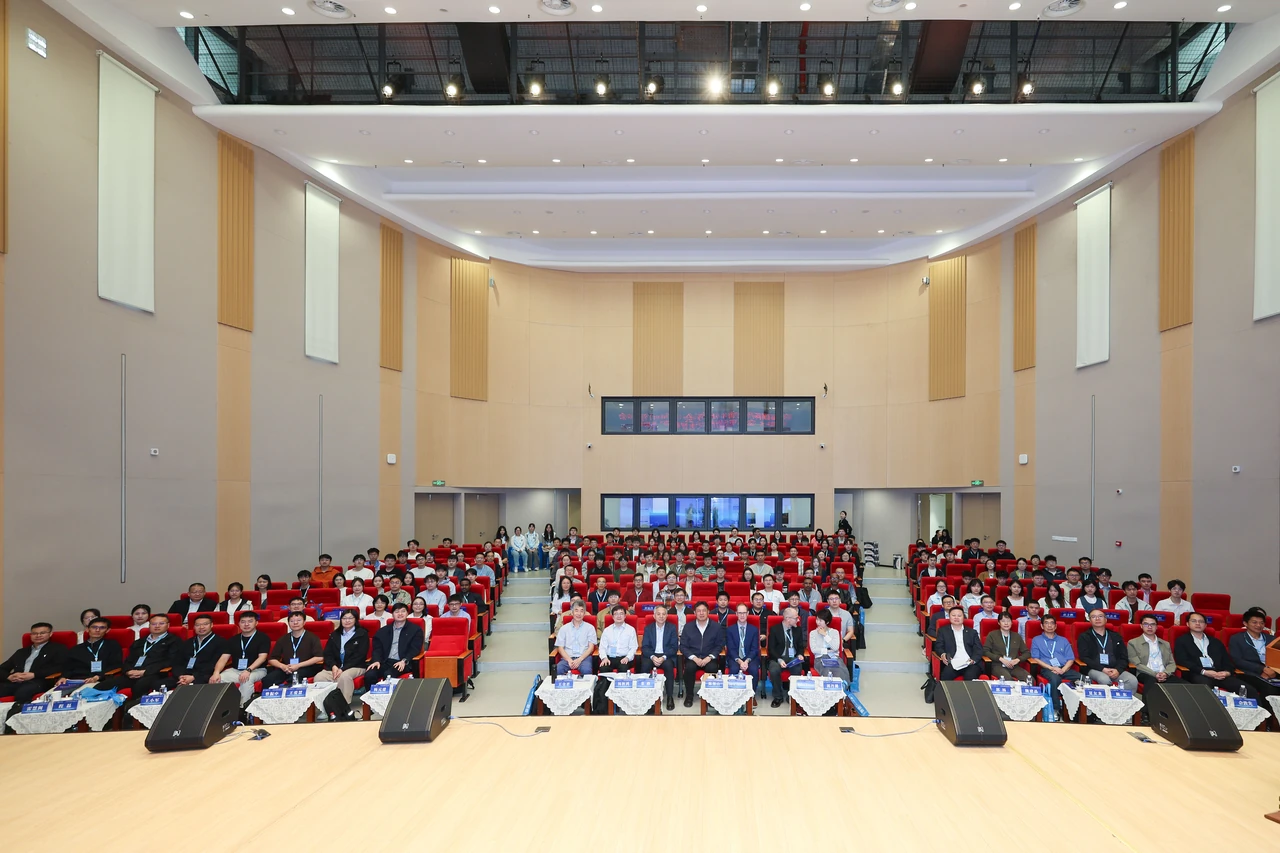
On October 17-18, Nanjing University of Information Science and Technology (NUIST) hosted the 14th Annual Meeting of the International Association of Contemporary Young Scholars in Water Sciences (CYWater) and the High-Level Forum on “Smart Prevention and Control of Extreme Water Disasters Driven by the Meteorology-Hydrology Nexus”. The meeting was organised by CYWater and hosted by NUIST together with the Key Laboratory of Hydrometeorological Disaster Mechanisms and Early Warning, Ministry of Water Resources, and the National Key Laboratory of Climate System Prediction and Response to Climate Change.
Meeting highlights
2:03 · English captions
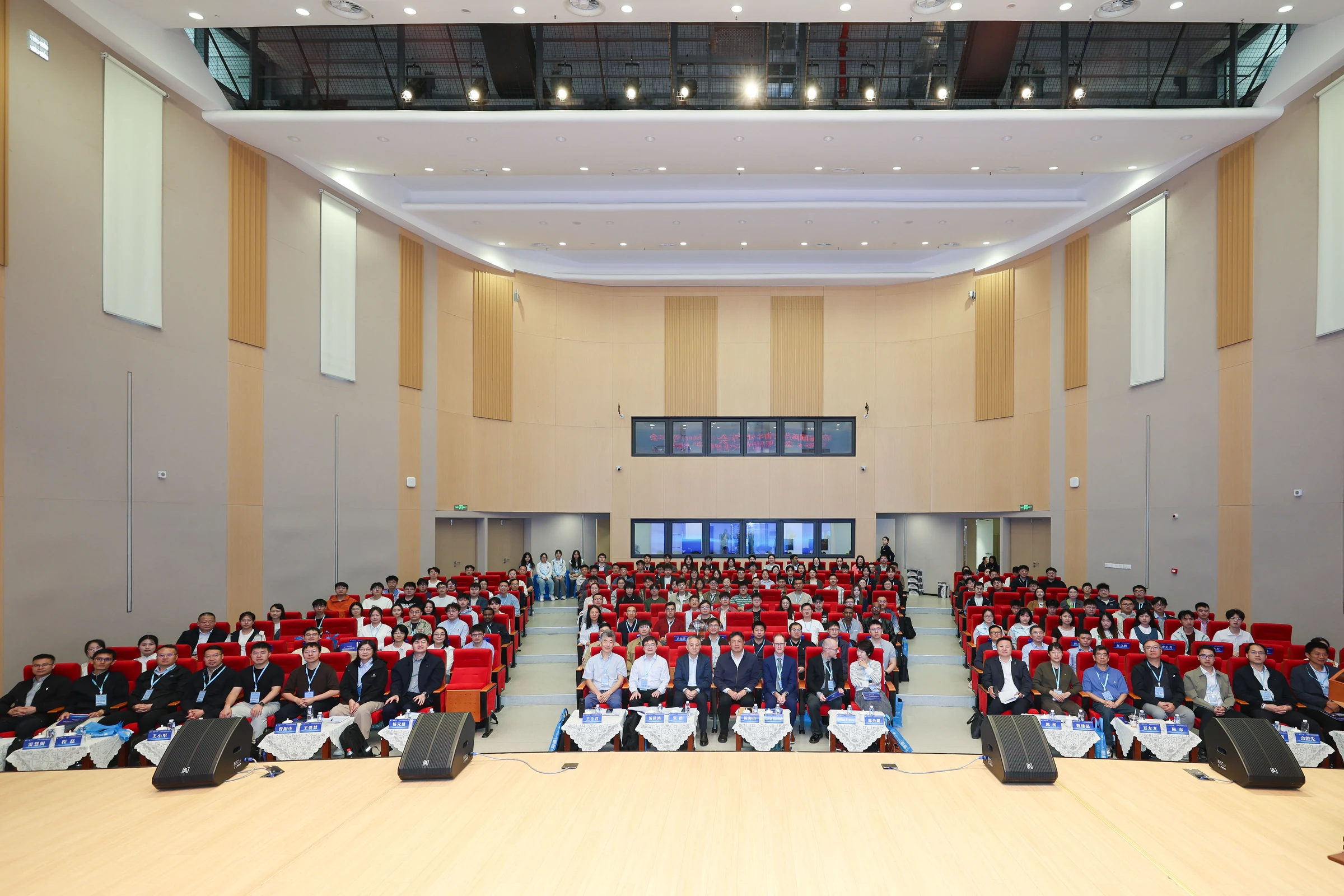
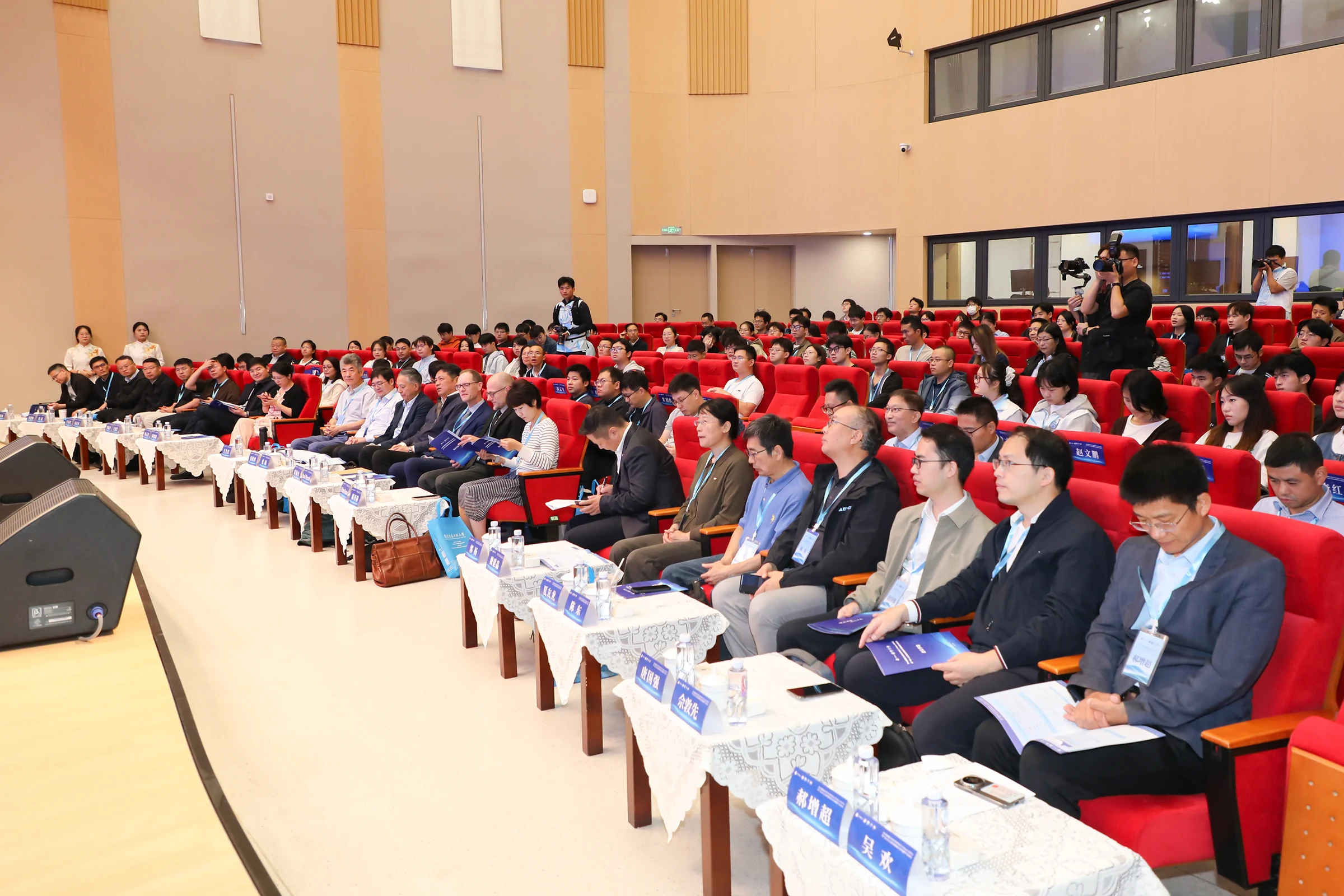
The meeting brought together more than 180 experts and young scholars from universities and research institutes in China and abroad, including Tsinghua University, Wuhan University, Hohai University, research institutes of the Chinese Academy of Sciences, the University of Birmingham in the UK and the Australian National University.
Opening: Joining forces for a new start
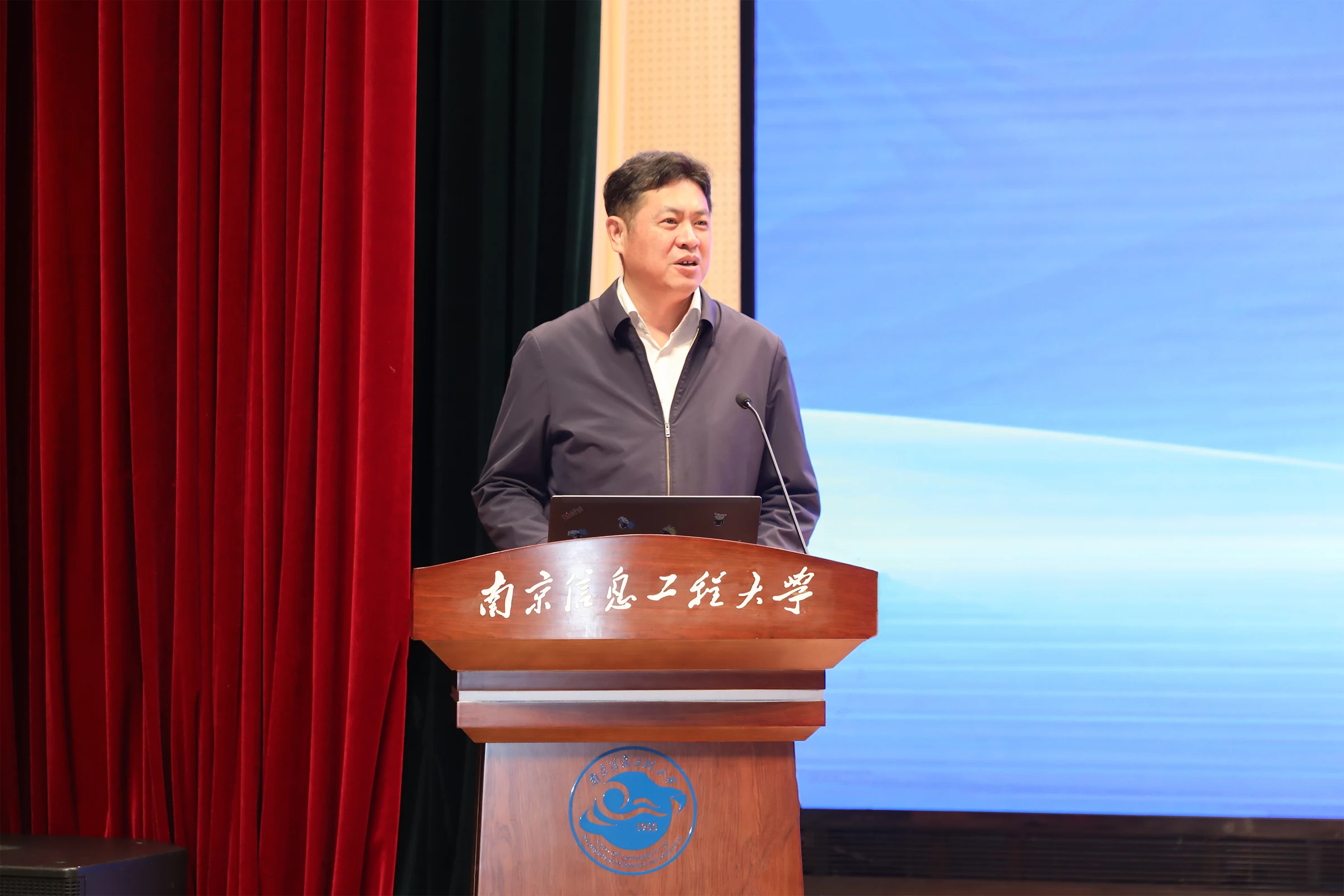
The meeting opened on the morning of October 17 with an address by NUIST President Haishan Chen. He said that global climate change is increasing the risk of extreme water disasters, making smart disaster prevention and control an urgent task for national water security. He introduced the university’s water-science research platforms and achievements in training students, and looked forward to in-depth exchange and joint innovation among experts from China and abroad. He also announced that the meeting would mark the unveiling of the NUIST and University of Birmingham Joint Research Centre for Climate Change Response and Sustainable Development, deepening international research cooperation and contributing to global water-security governance. He wished the annual meeting every success.
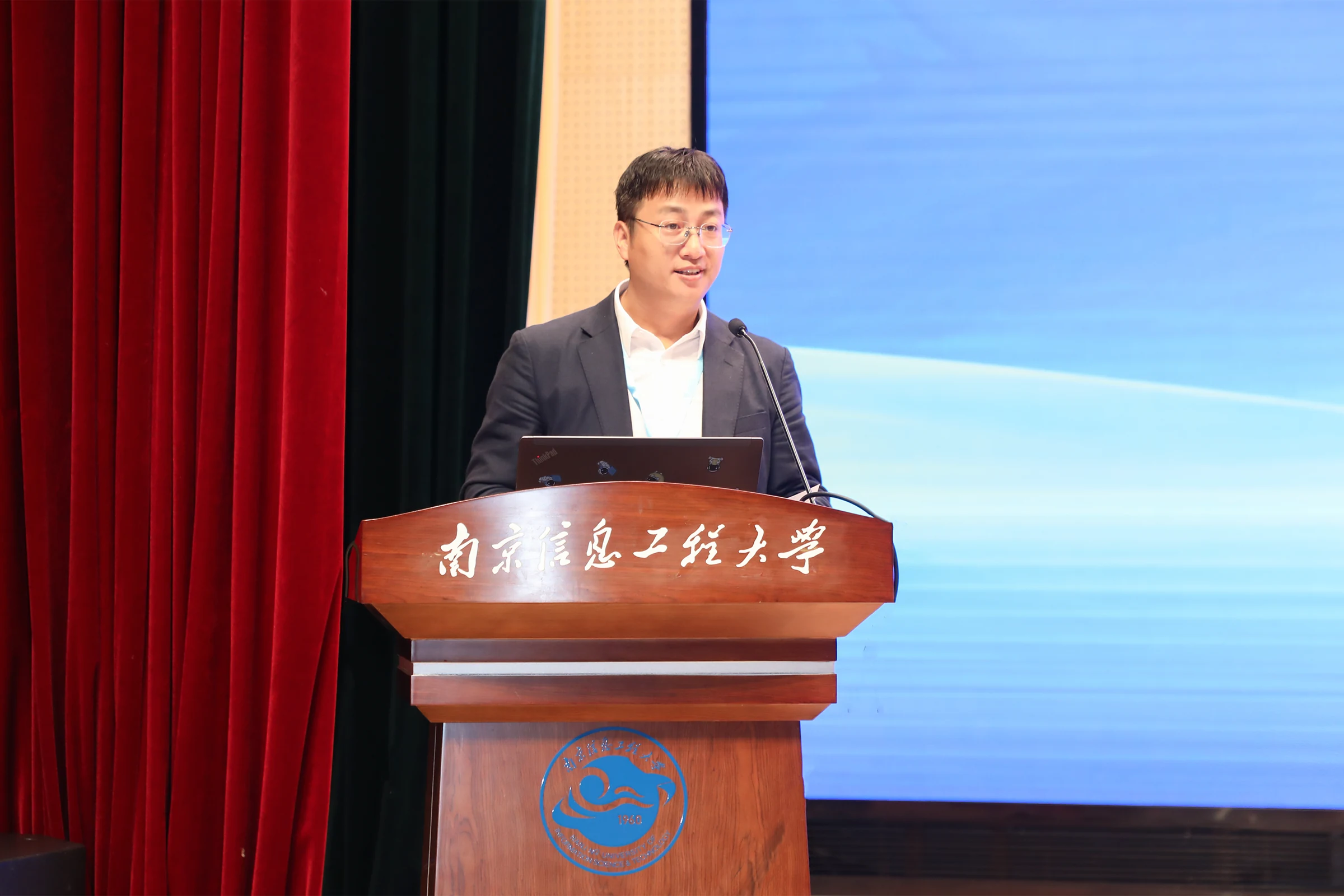
Huan Wu, Dean of the School of Hydrology and Water Resources Engineering, chaired the opening ceremony. He warmly welcomed the guests and young scholars, introduced the annual meeting and explained its importance in helping young water scientists exchange ideas and innovate together. He then guided the opening programme through its successive stages.
Unveiling ceremony
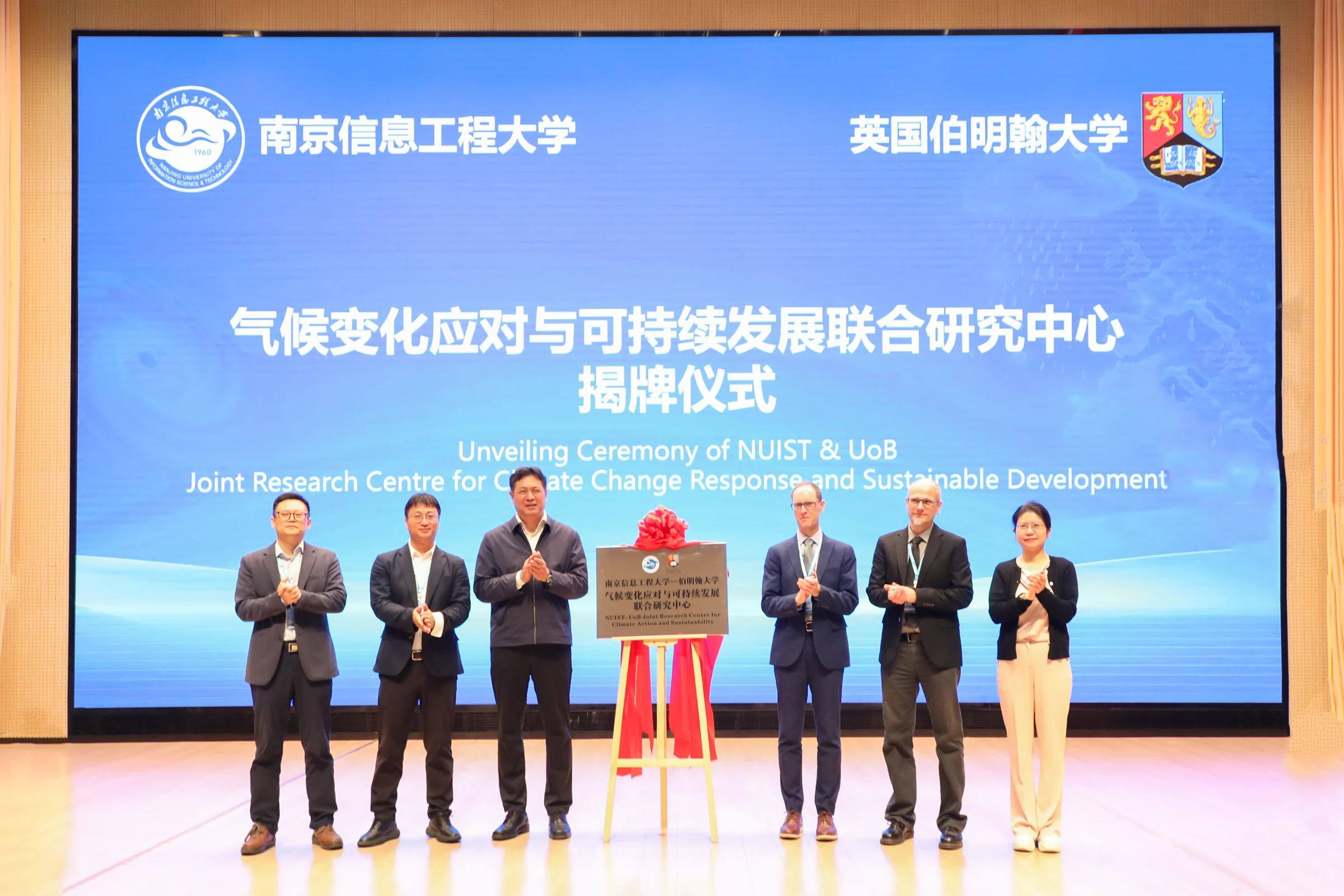
The ceremony then moved to the unveiling of the Joint Research Centre for Climate Change Response and Sustainable Development. President Haishan Chen, Professor David M. Hannah, Professor Stefan Krause, Dean Huan Wu, Director Xiaojuan Xue and Professor Zhiguo Yu took to the stage together to unveil the centre. Its establishment marks a move from cooperation between the two universities’ schools to a broader university-level platform.
Presentations: Sharing new knowledge
After the unveiling, the conference presentations began. The keynote talks addressed questions at the frontiers of water science in the context of China’s disaster prevention and reduction efforts, ecological development, and carbon-peaking and carbon-neutrality goals. Speakers shared breakthroughs and forward-looking insights, built common understanding and opened up new ideas, encouraging the young scholars attending to explore new directions in the field.
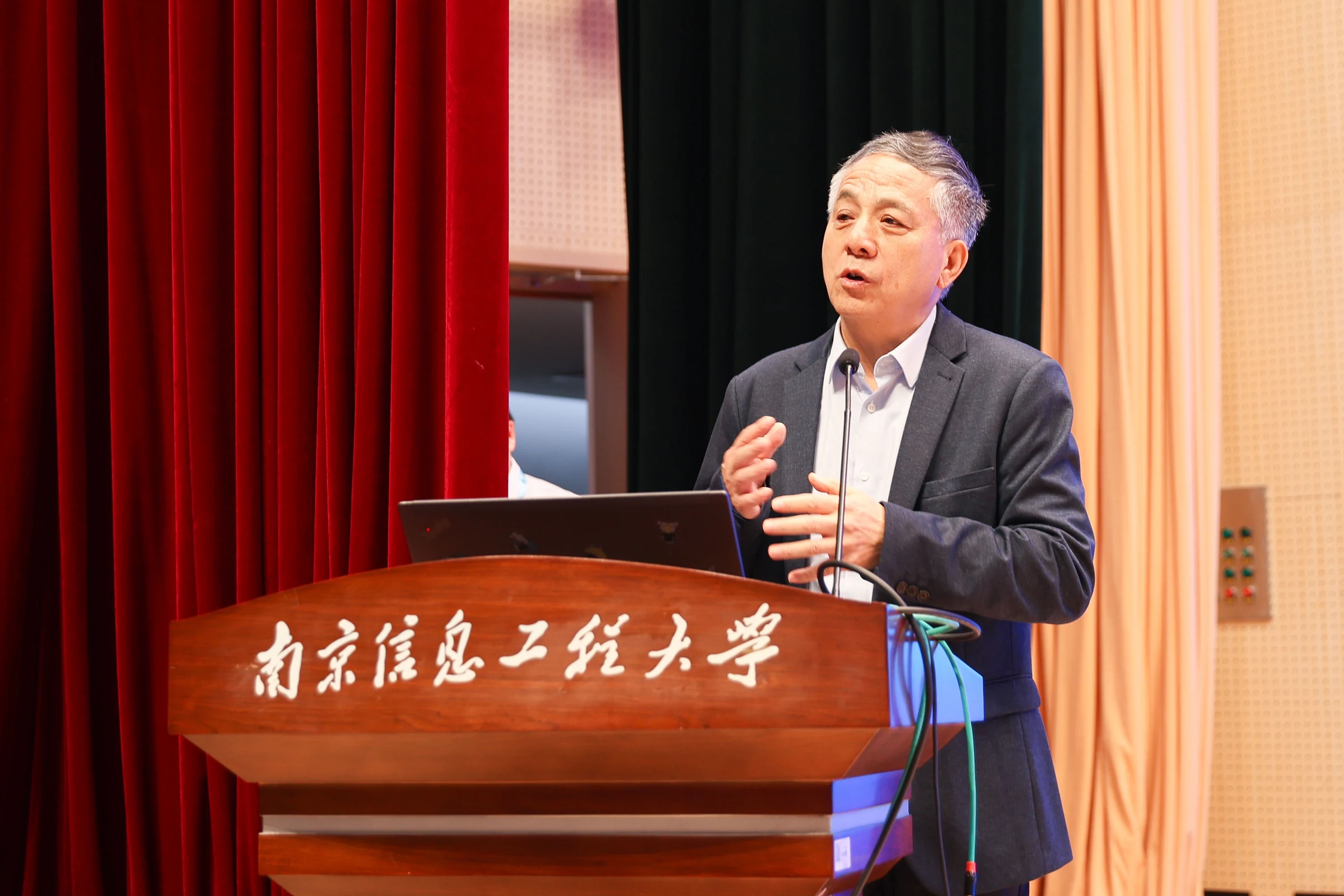
Professor Lu Zhang of Wuhan University approached ecohydrological research through the science of complex systems. Such systems often show “simplicity at the large scale”, he explained, so researchers need not assume that adding more factors always makes a better model: “less is more” is also an important research principle. He also stressed that critical thinking must remain central in the age of big data and AI, so that researchers can look beyond vast quantities of data and identify the mechanisms that truly drive a system.
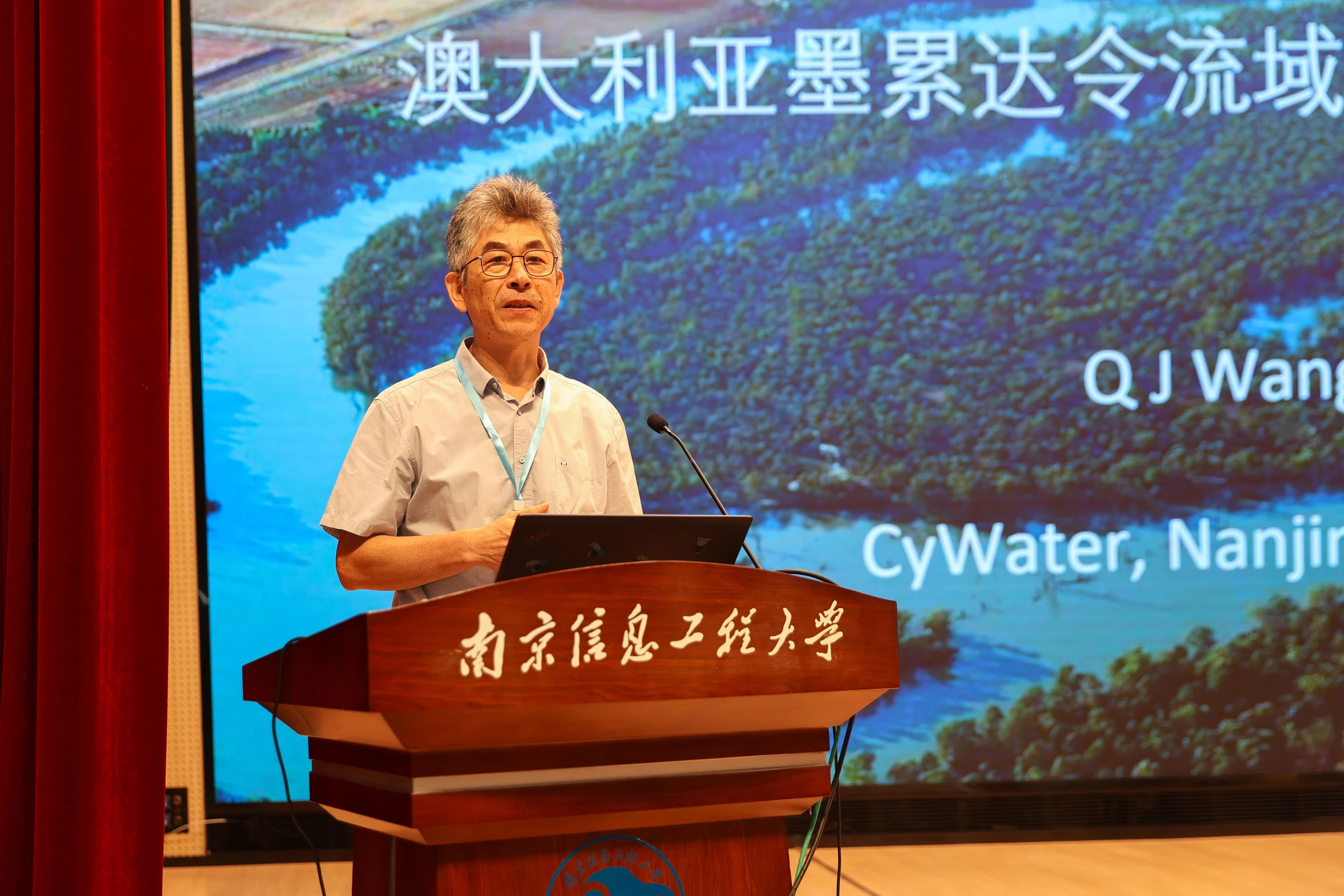
Professor Q. J. Wang of Hohai University used Australia’s Murray-Darling Basin Plan to explain the practical experience of this landmark Australian water reform. A basin plan, he noted, is not a fixed document but a governance tool that must continue to evolve. The success of a water policy cannot be judged only by water-volume targets on paper; it must also be grounded in the actual ecological health of rivers and the lasting resilience of riverside communities. Trust, transparent governance and the ability to adapt to climate change are equally essential.
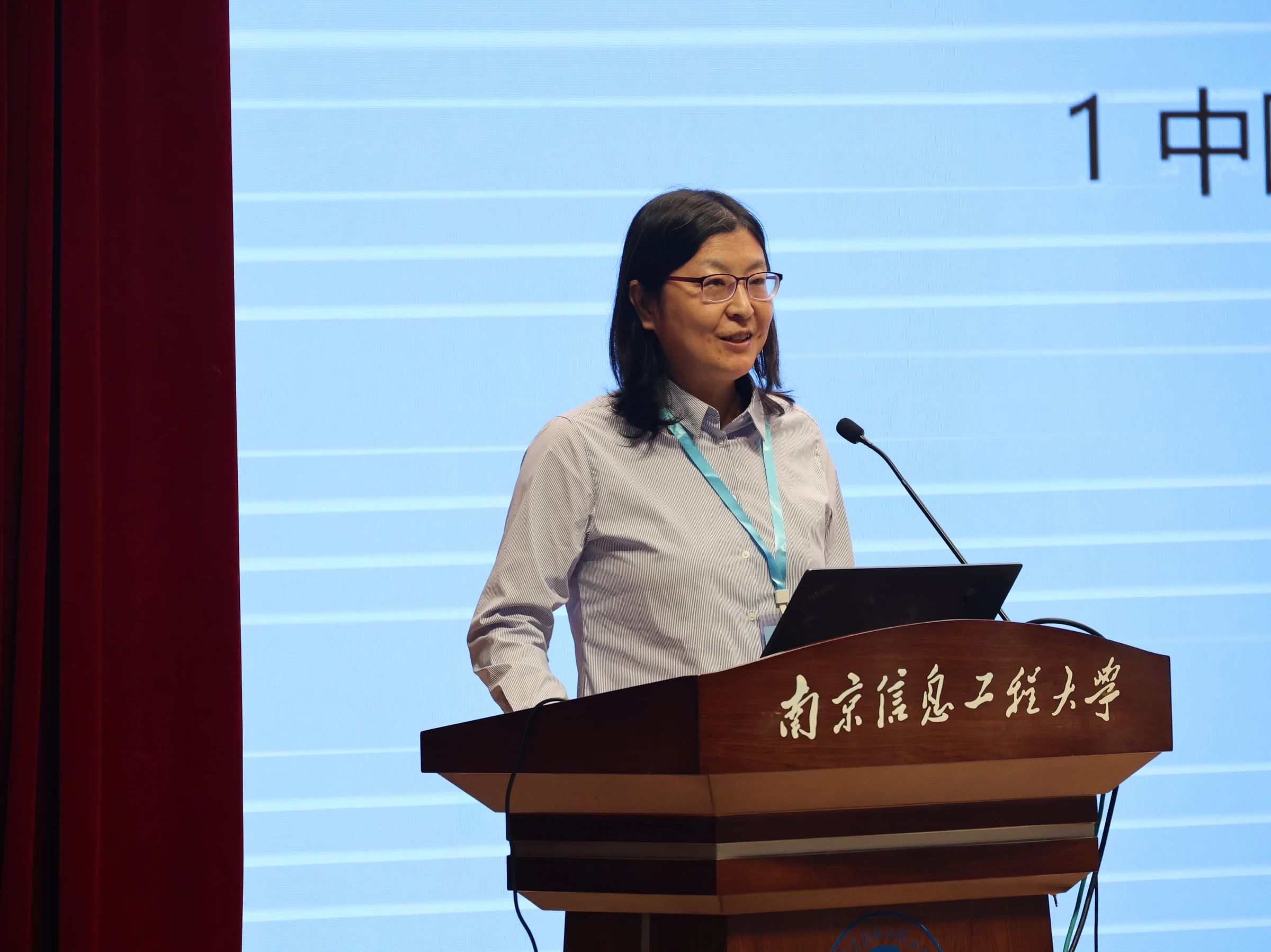
Researcher Aihui Wang of the Institute of Atmospheric Physics, Chinese Academy of Sciences, described her team’s response to limitations in existing hydrological datasets for China. Using the VIC model, they developed VIC-CN05.1, a daily land-surface hydrological dataset at 0.25° resolution for 1961-2024. Validation against multiple data sources shows that it can represent hydrological processes and extreme floods in China well. By coupling it with the CaMa-Flood hydrodynamic model, the team also built a regional flood-forecasting system that provides three-day flood-risk forecasts for China and the Yangtze River Delta. Tests against several representative floods show that the system can capture flood evolution. Issues such as meteorological forcing and missing water-operation processes still need improvement, but the work provides technical support for hydrological research and flood forecasting.
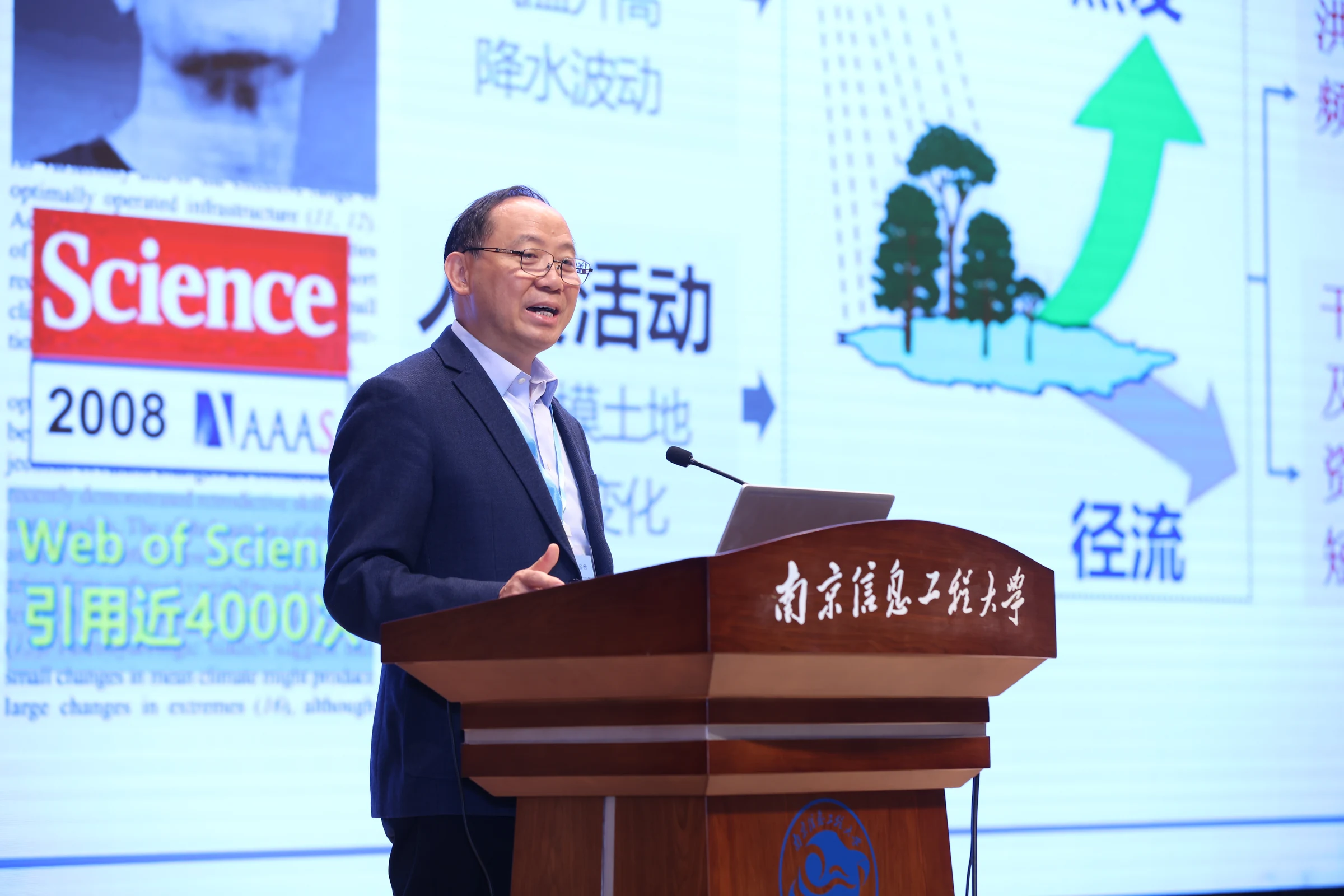
Professor Dawen Yang discussed water-cycle observations, models and prediction. He explained that the assumption of hydrological stationarity no longer holds in a changing environment, creating challenges for traditional hydrological models. He traced the development of global water-cycle observation programmes and highlighted the role of large remote-sensing datasets in advancing hydrology.
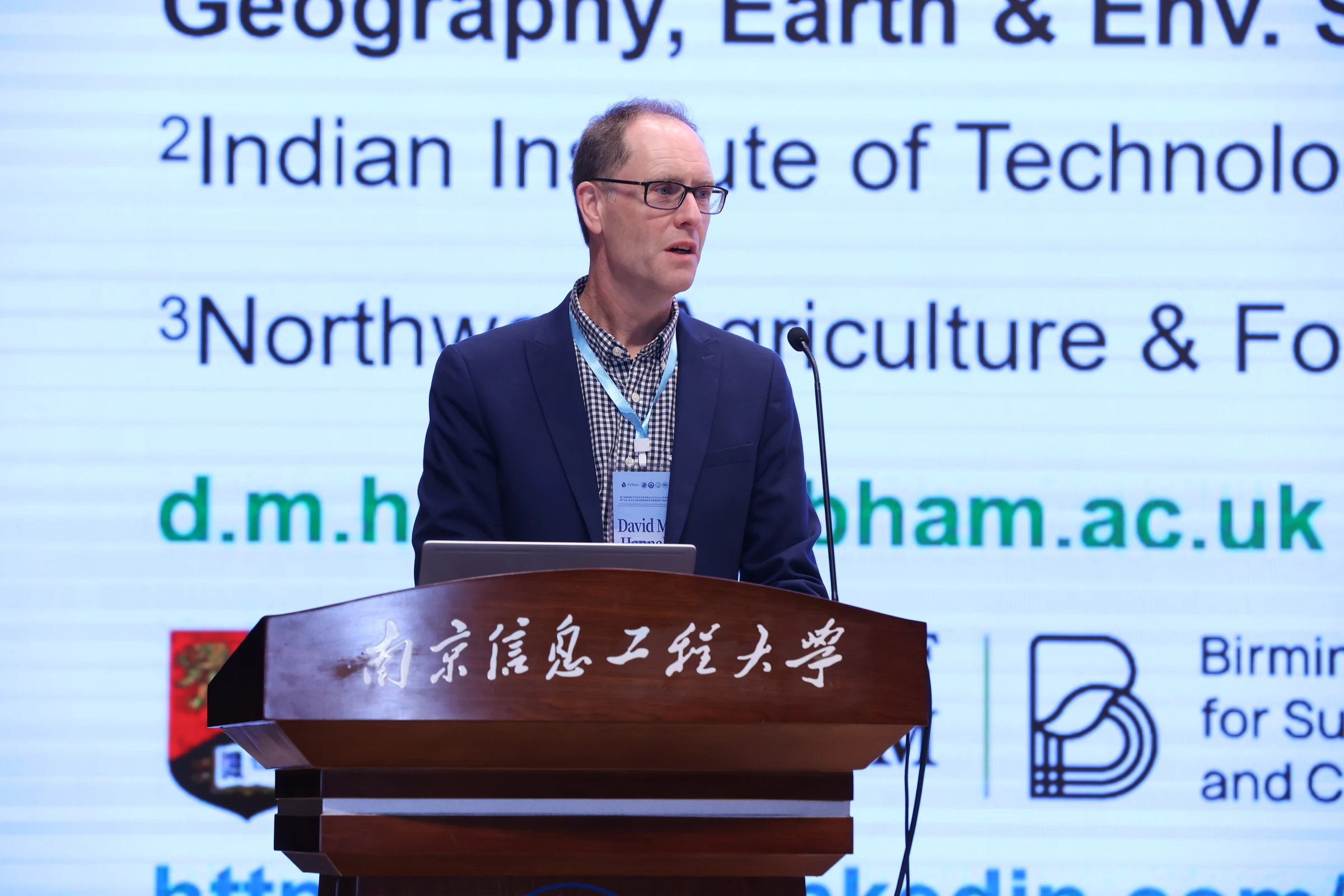
Professor David M. Hannah, a vice-president at the University of Birmingham in the UK, spoke about cascading hydroclimatic extremes. He emphasised that drought is a chain of processes that propagates across different parts of the Earth system. A systems approach must consider water quantity, water quality and human water-management activities together, draw on several disciplines, and improve the identification and early warning of compound extremes as well as adaptive basin management.
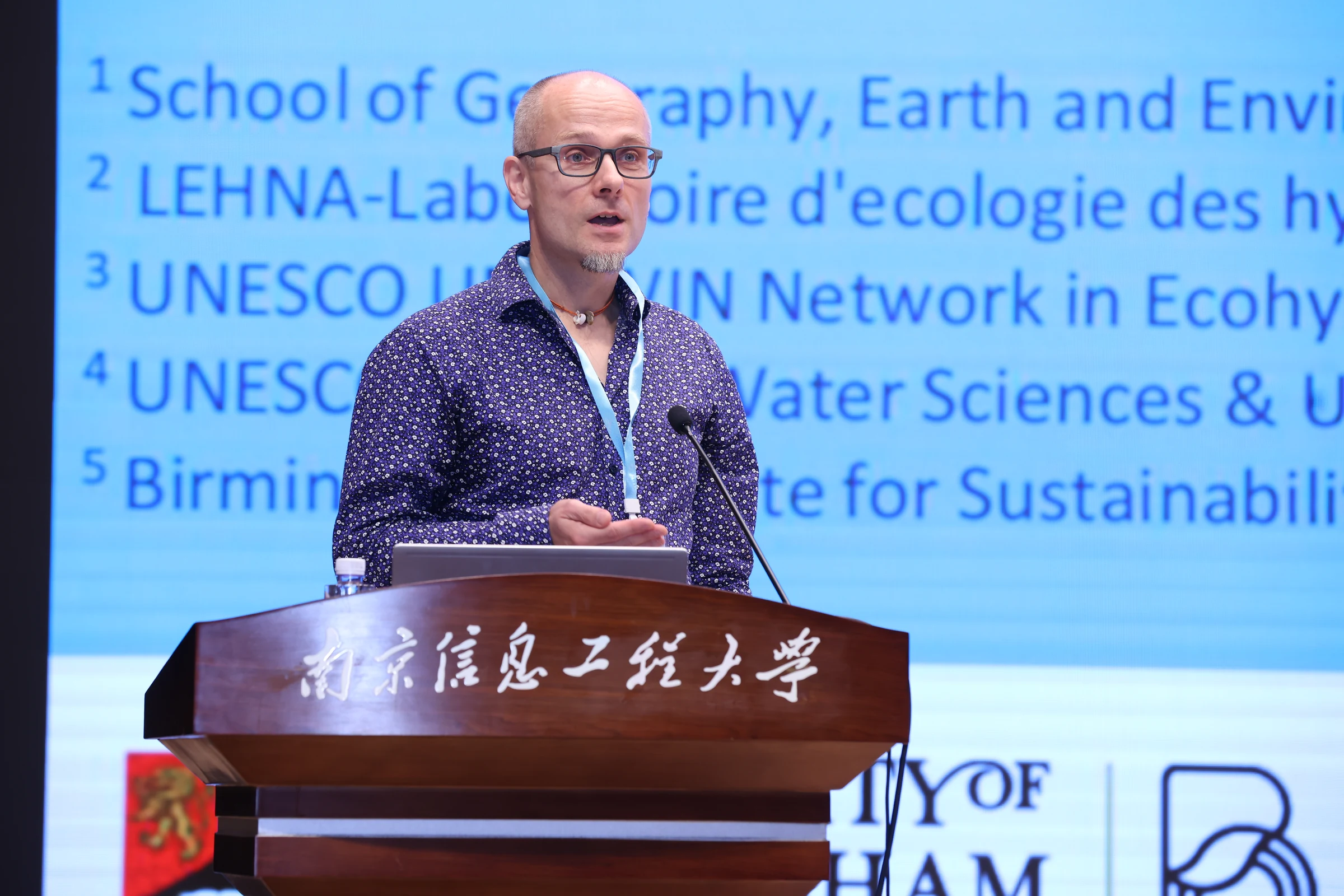
Professor Stefan Krause of the University of Birmingham in the UK discussed ways to ease conflicts over water resources. He introduced adaptive, multi-parameter water-quality sensor networks that use high-frequency observations taken in place to capture the “hot moments” of rainfall-driven pollution outbreaks. These observations help explain pollutant sources and transport mechanisms under different rainfall conditions.
Debate: Bringing ideas together
Under the theme “Smart Prevention and Control of Extreme Water Disasters Driven by the Meteorology-Hydrology Nexus”, the meeting featured four thematic sessions and a young researchers’ flash forum, with eight keynote presentations, 20 invited presentations, 42 thematic presentations and 29 flash presentations.
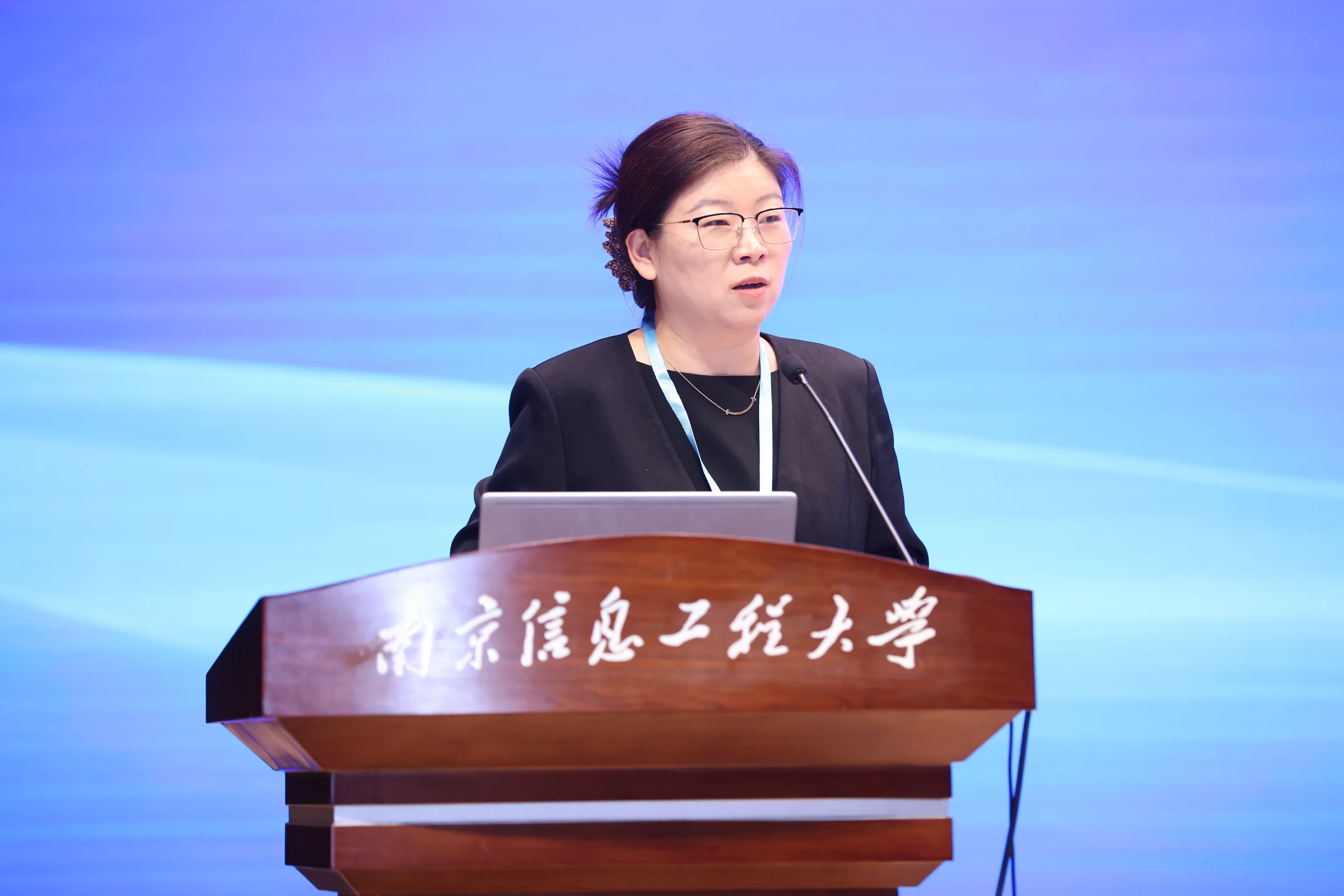
01 Water cycles and extreme hydrometeorological forecasting in a changing environment
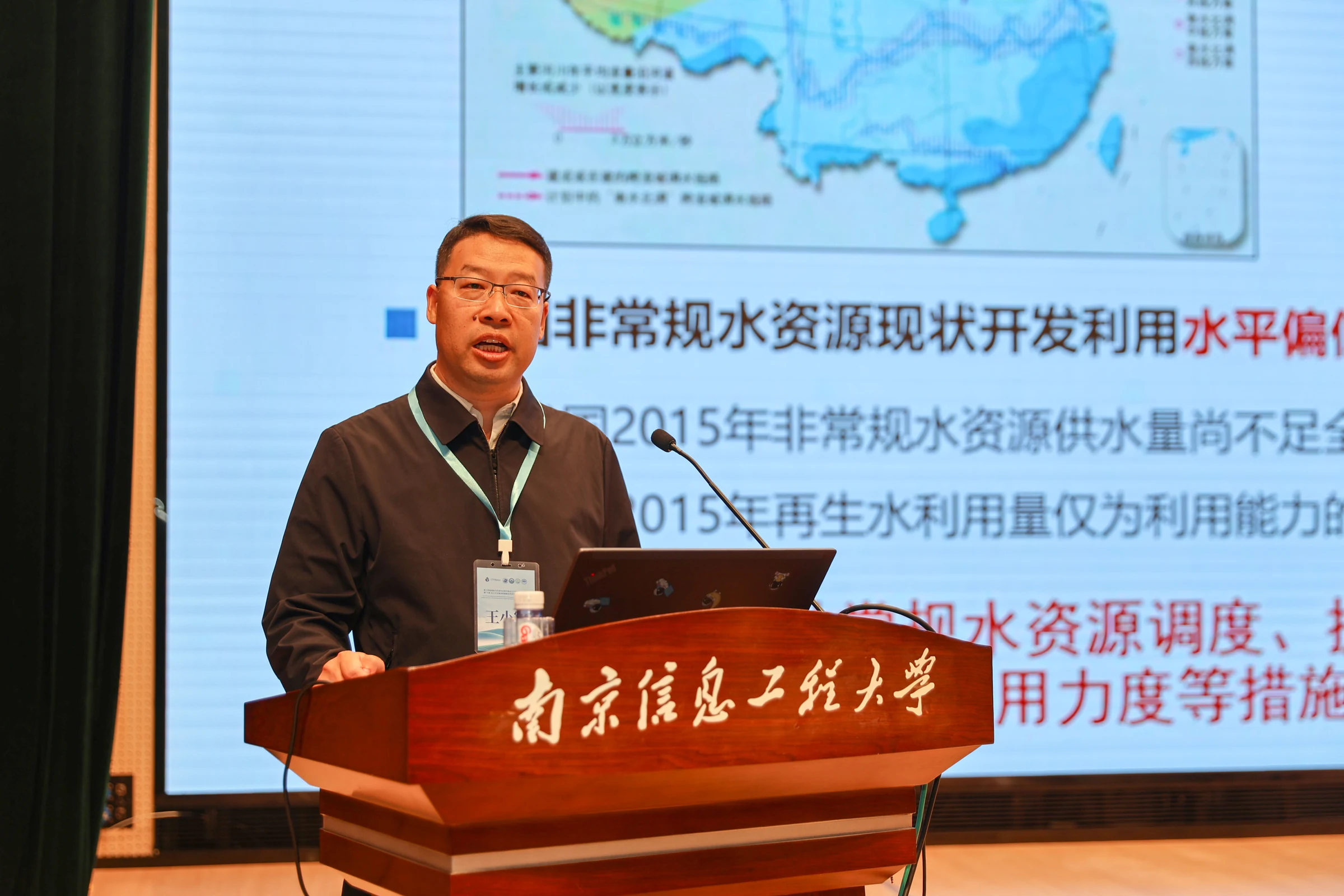

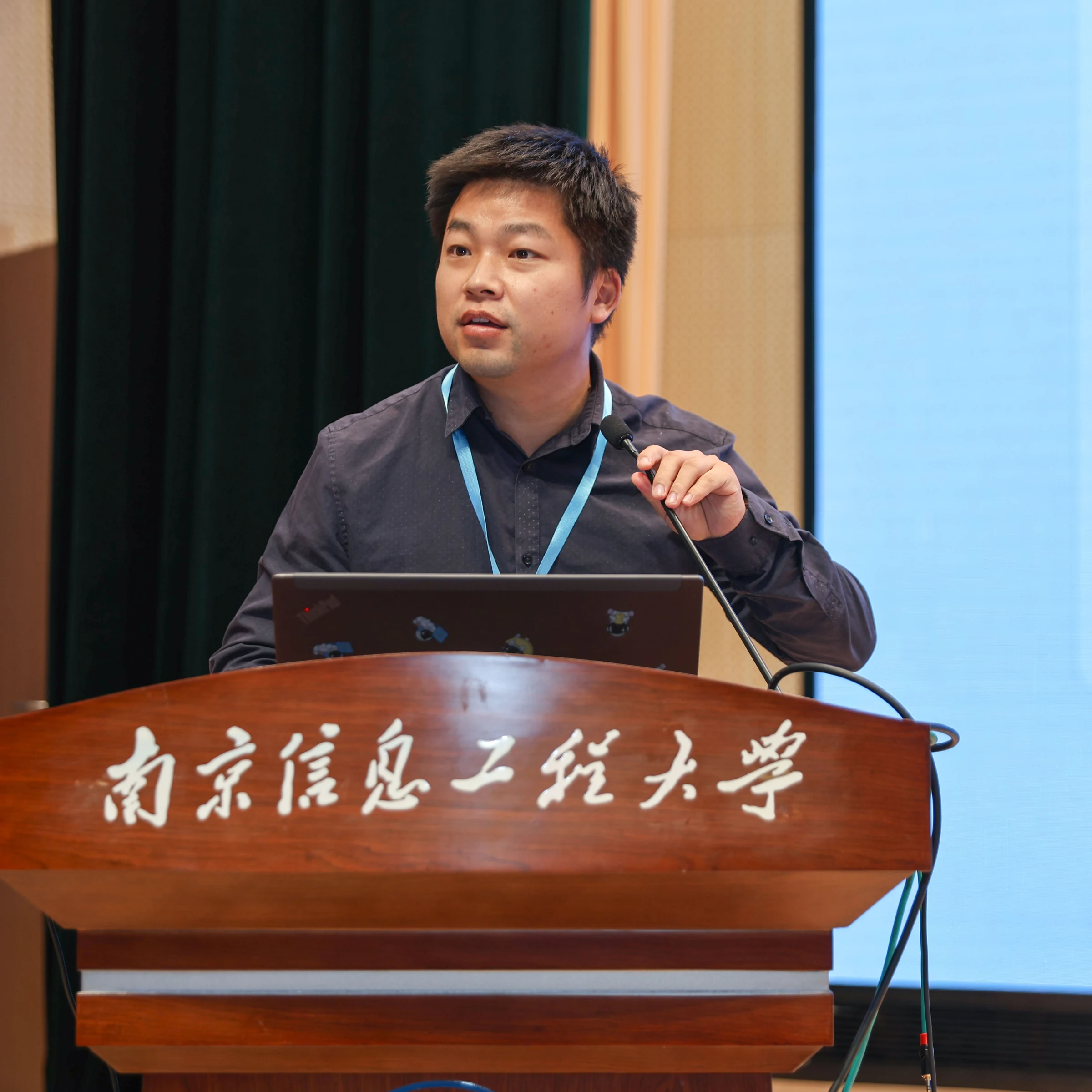
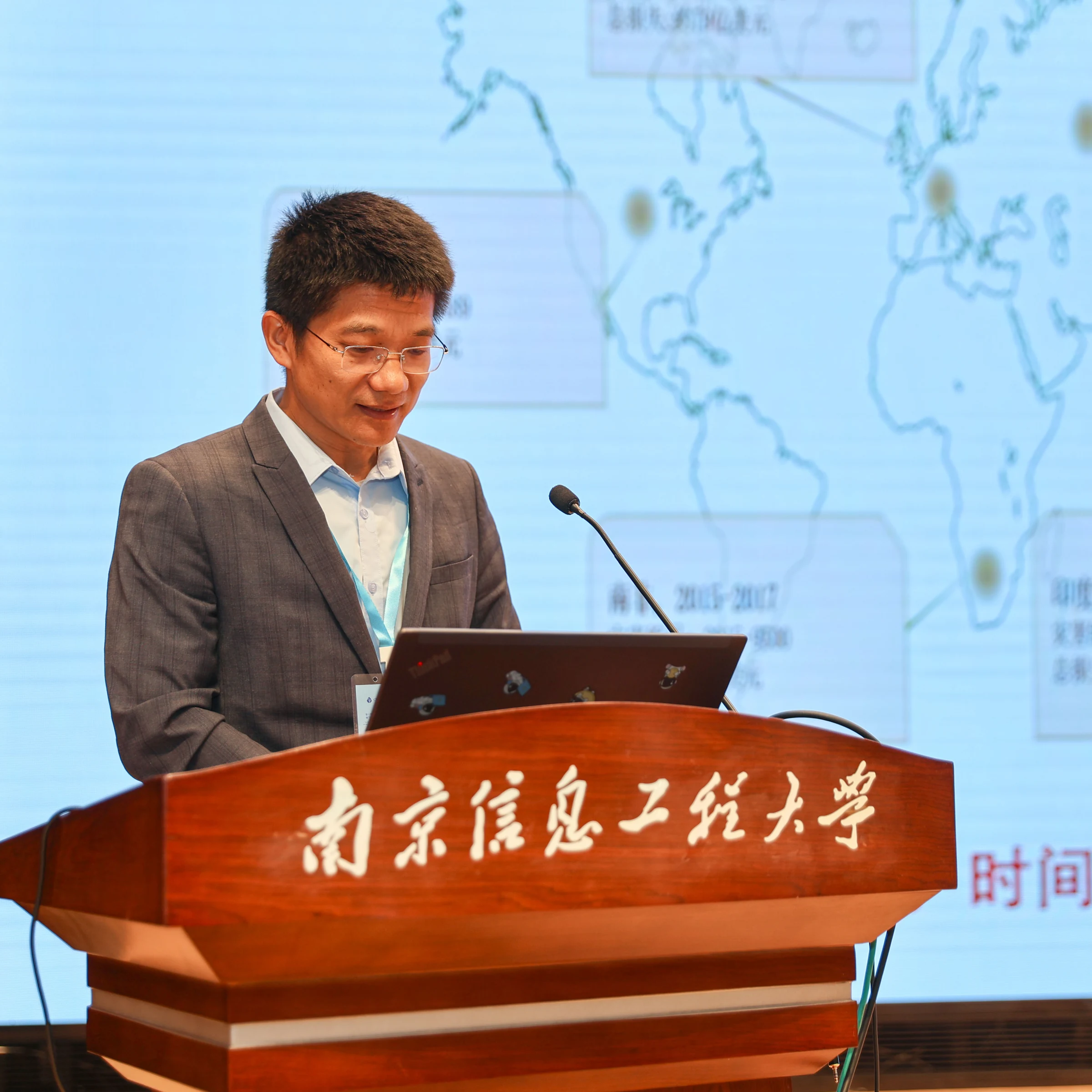

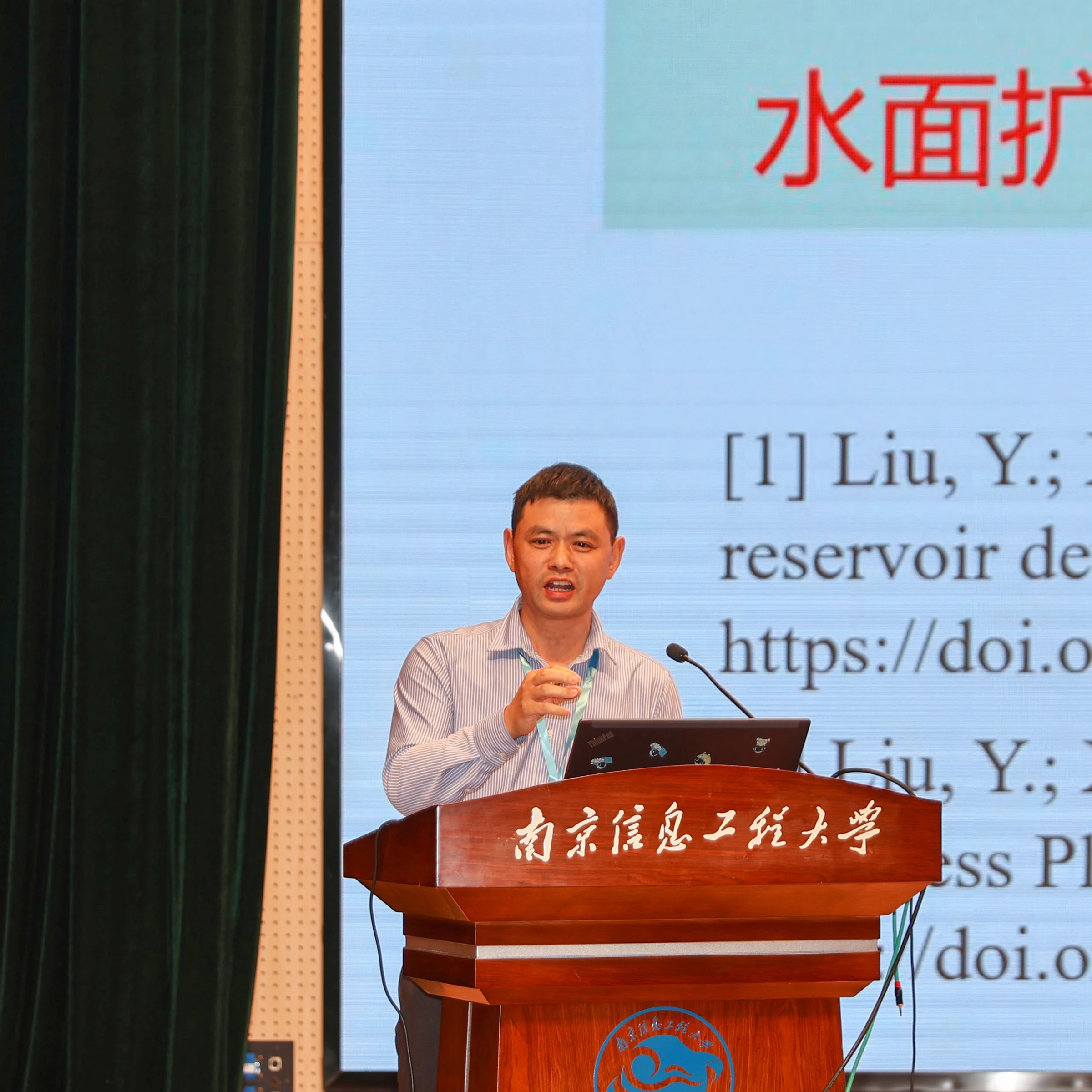

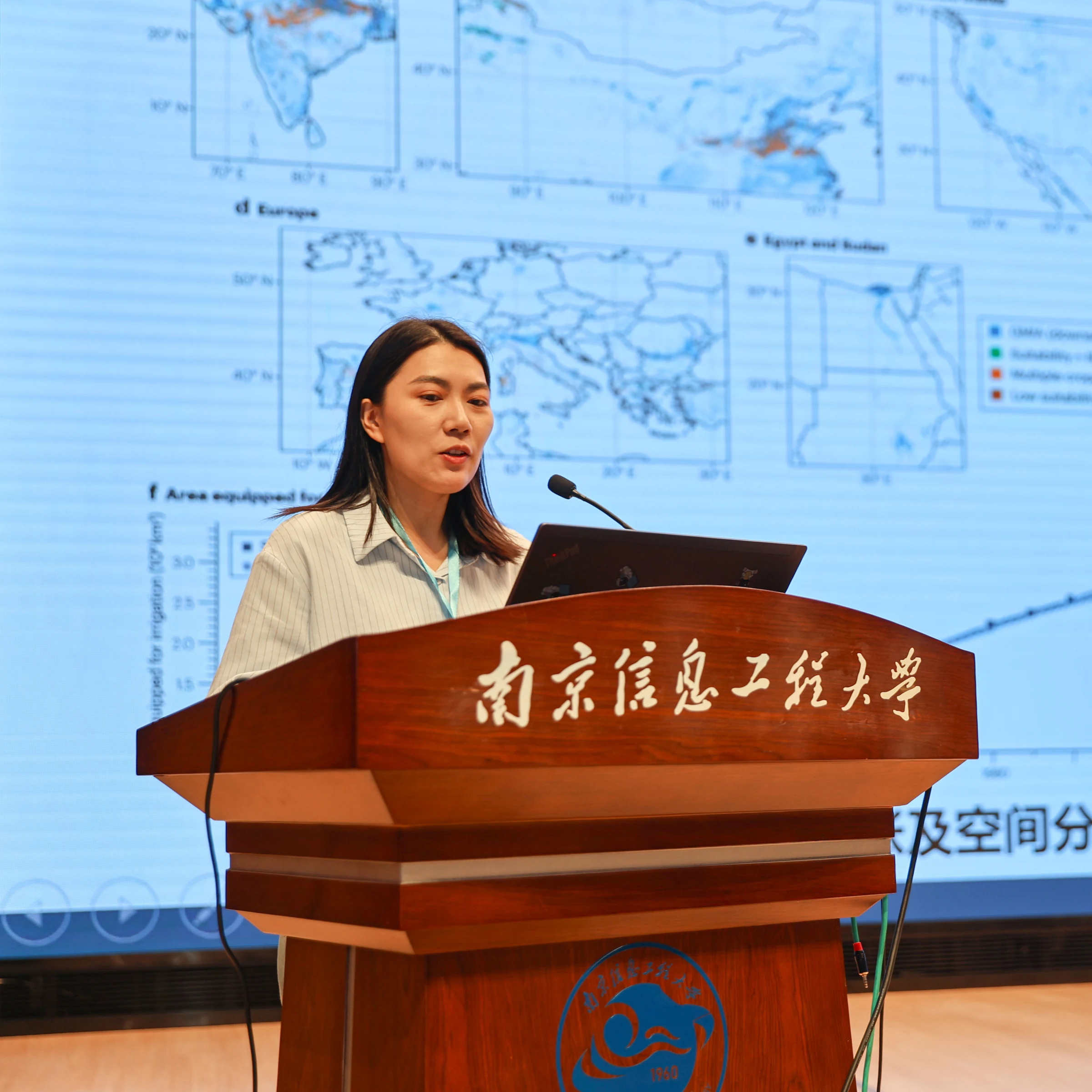
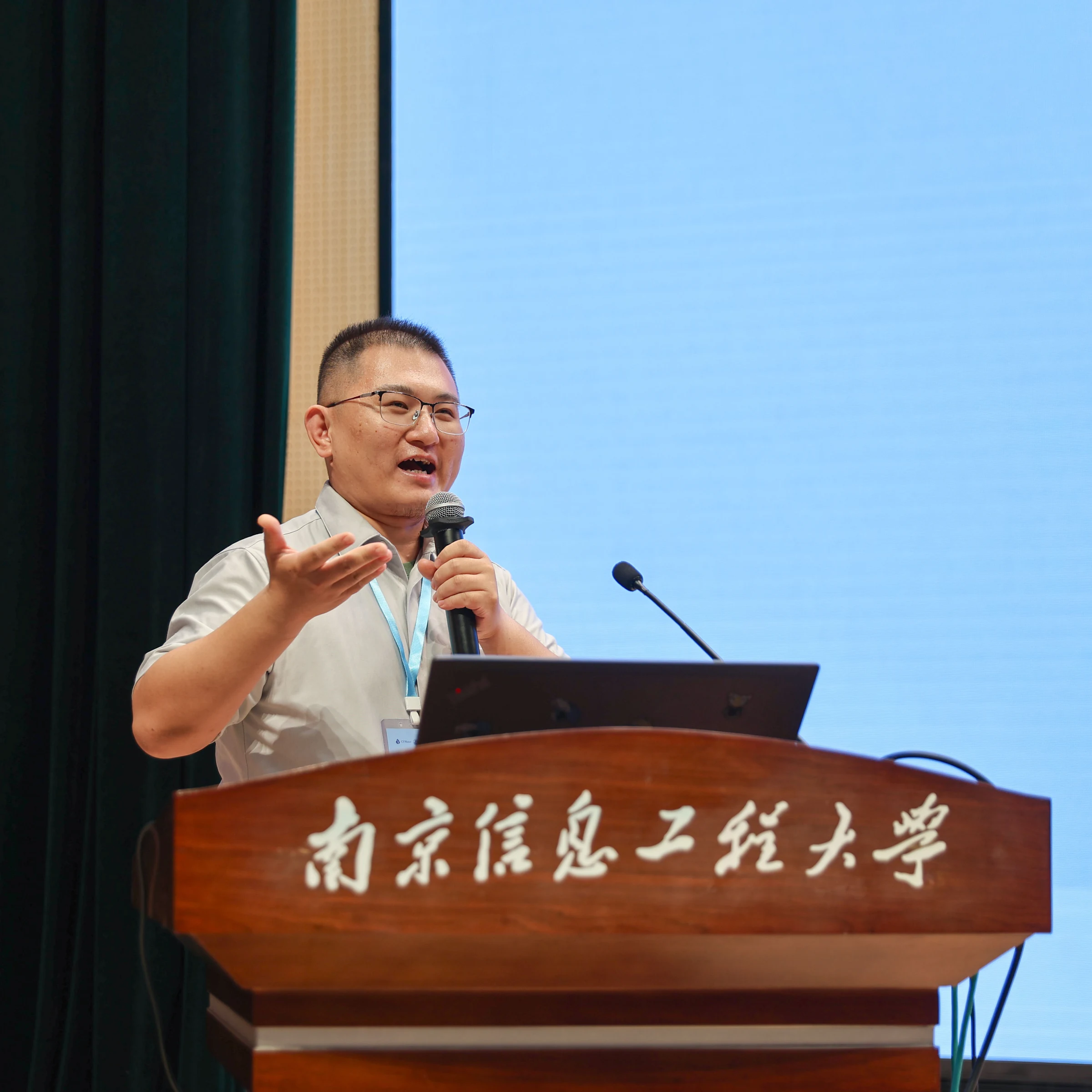
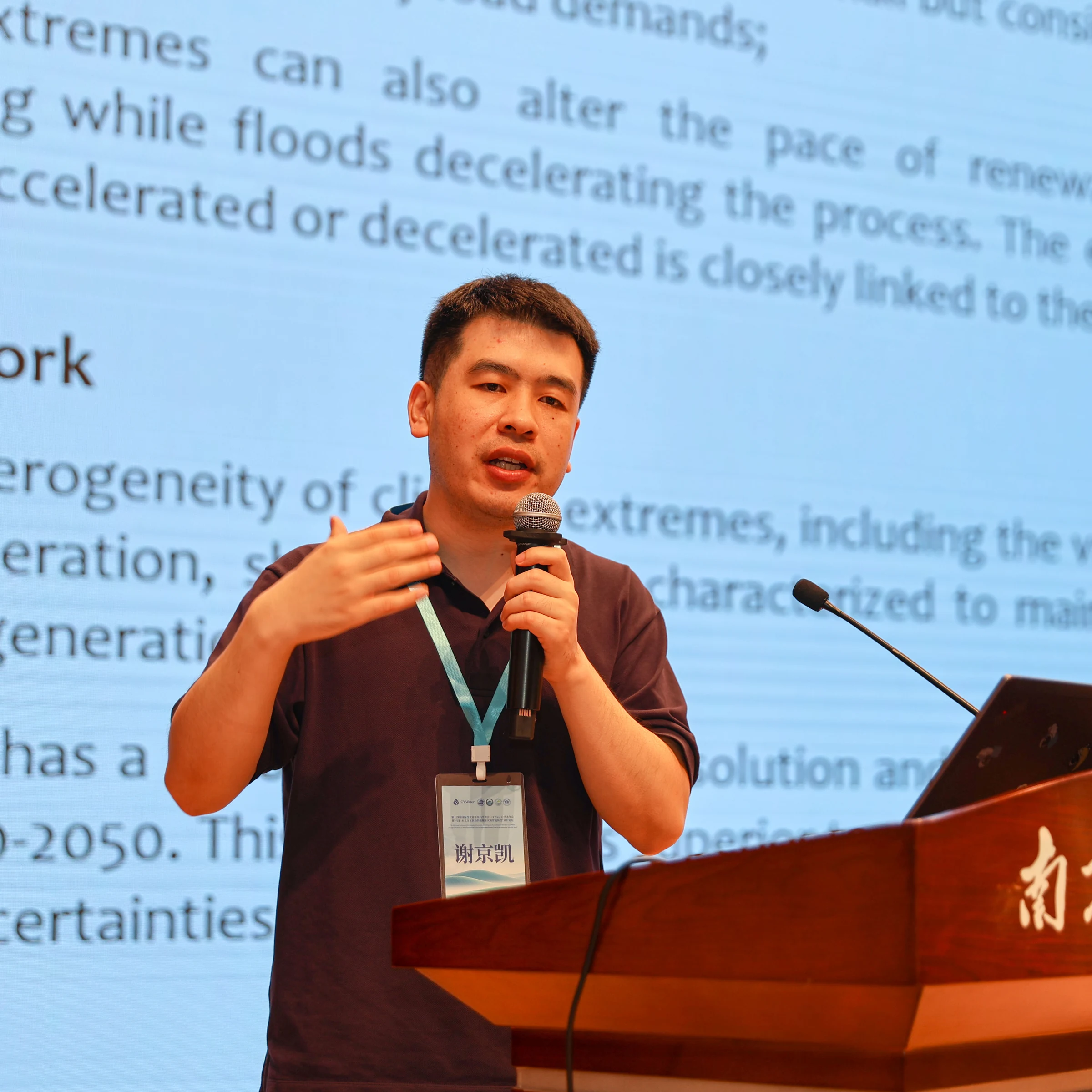
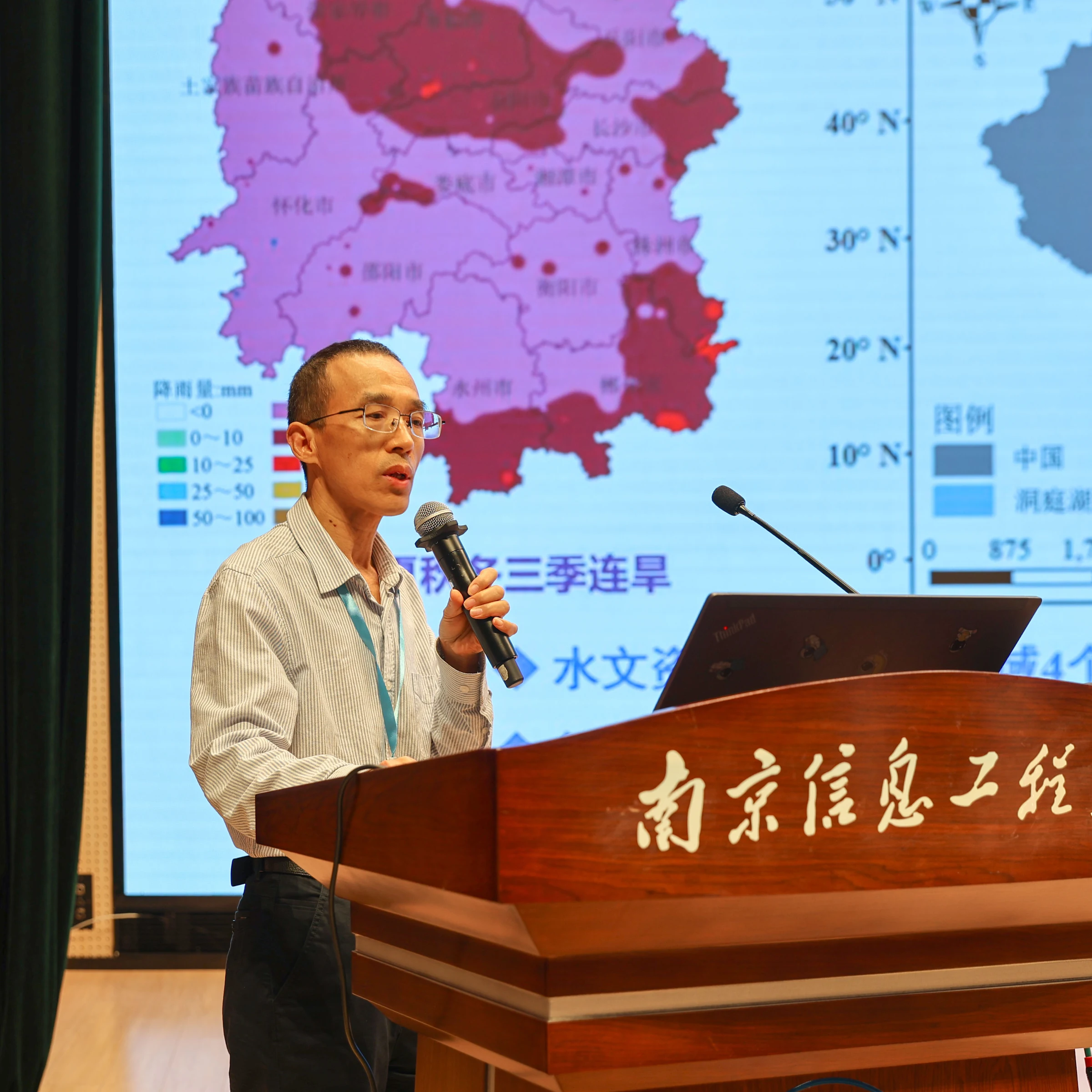
Presentations in thematic session 1.
The session on “Water cycles and extreme hydrometeorological forecasting in a changing environment” then began. This first thematic session brought together experts from several institutions to examine how water cycles evolve under climate change and how extreme hydrometeorological events can be forecast. Professor-level Senior Engineer Xiaojun Wang, Professors Zengchao Hao and Liujun Zhu, Associate Professor Yuan Li, Associate Researcher Kai Ma, Associate Professor Xianhong Xie, Professor Jiangfeng Wei, Assistant Professor Rashid Mahmood, and Associate Professors Shulei Zhang, Zhenchen Liu, Jingkai Xie and Tao Peng held in-depth discussions on precipitation reconstruction, hydrological simulation and the identification of water-security risks.
02 Ecohydrological processes and coordinated water-resource allocation

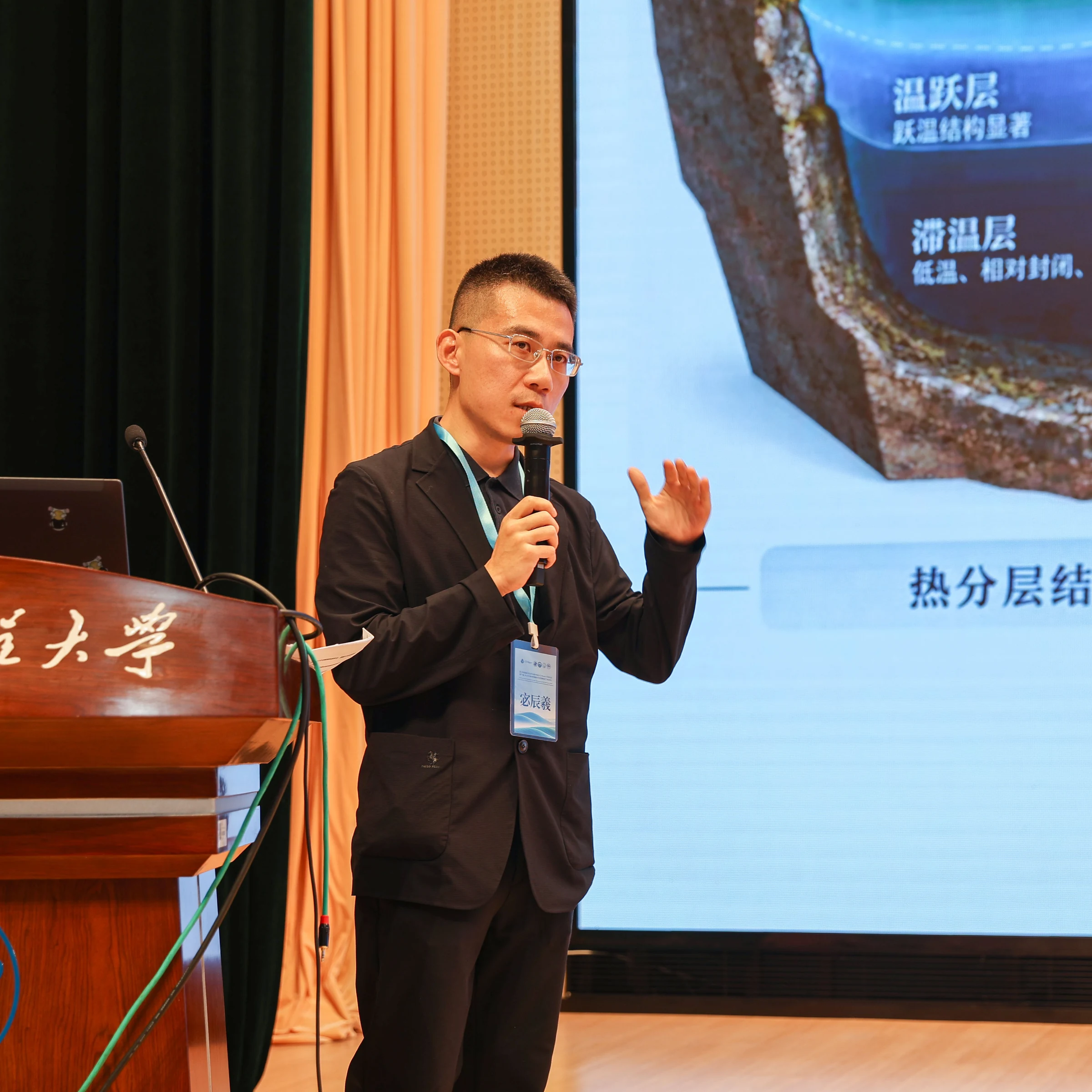


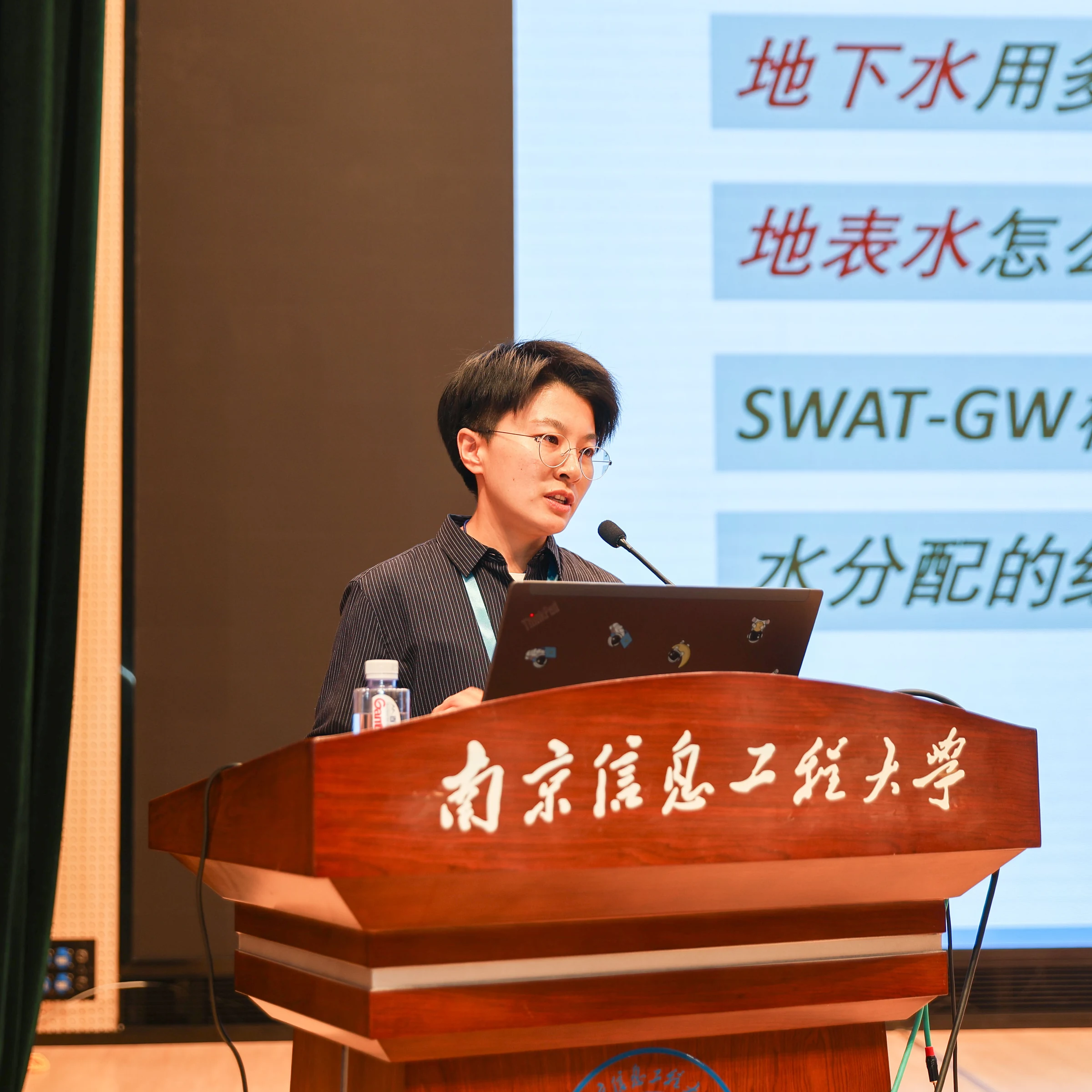
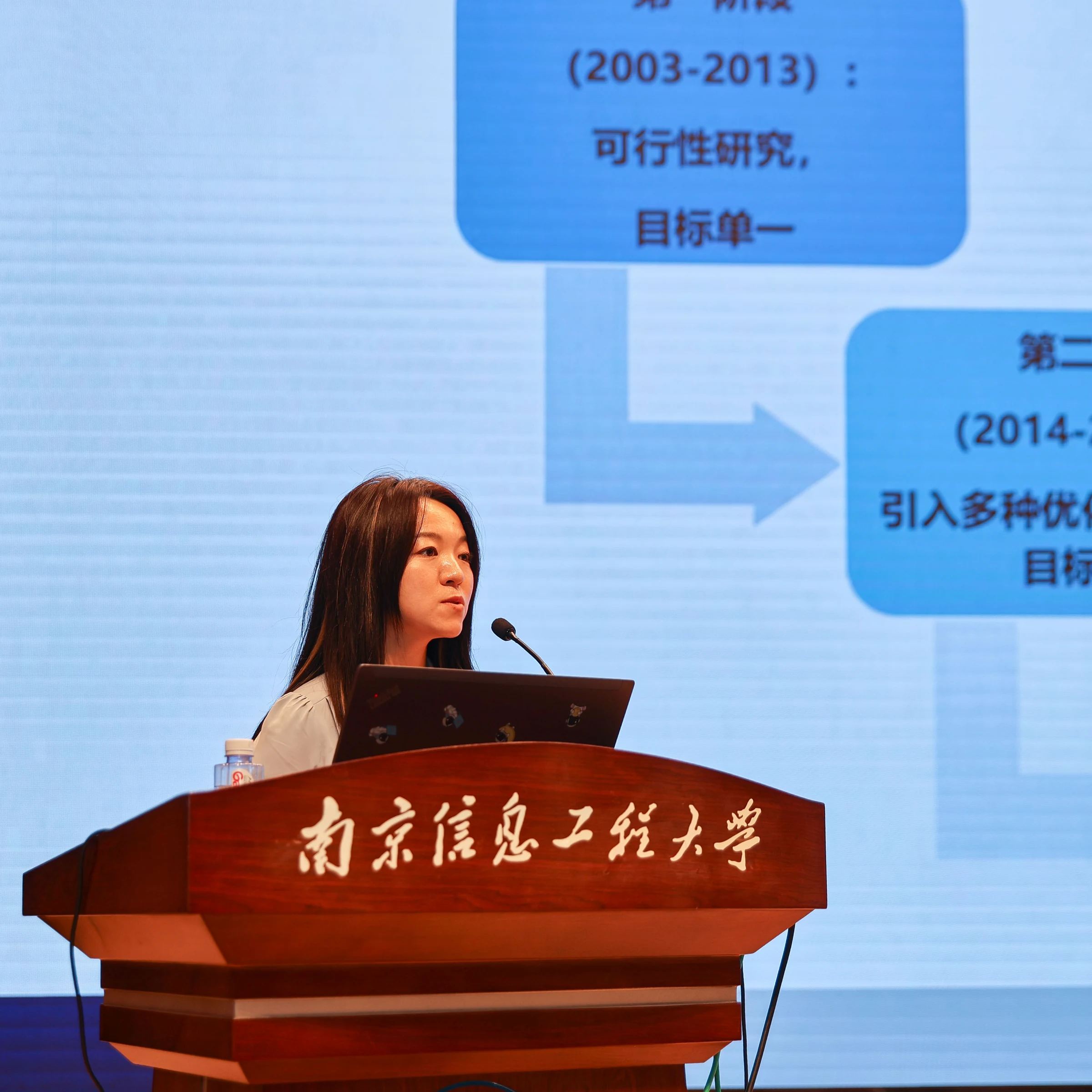
Presentations in thematic session 2.
The session on “Ecohydrological processes and coordinated water-resource allocation” covered ecohydrological mechanisms, remote sensing of surface water, the hydrological effects of reservoirs and the optimal allocation of water resources. Southern University of Science and Technology presented advances in using multiple satellite remote-sensing sources to observe large-scale changes in surface water. Professor Meixiu Yu of Hohai University examined the cumulative water and heat effects of operating large cascades of reservoirs. Other speakers shared recent progress on vegetation and soil-moisture responses, groundwater regulation, and the optimisation of water-resource systems that include reclaimed water.
03 Basin water and sediment change, safe and resilient water networks, and engineering management
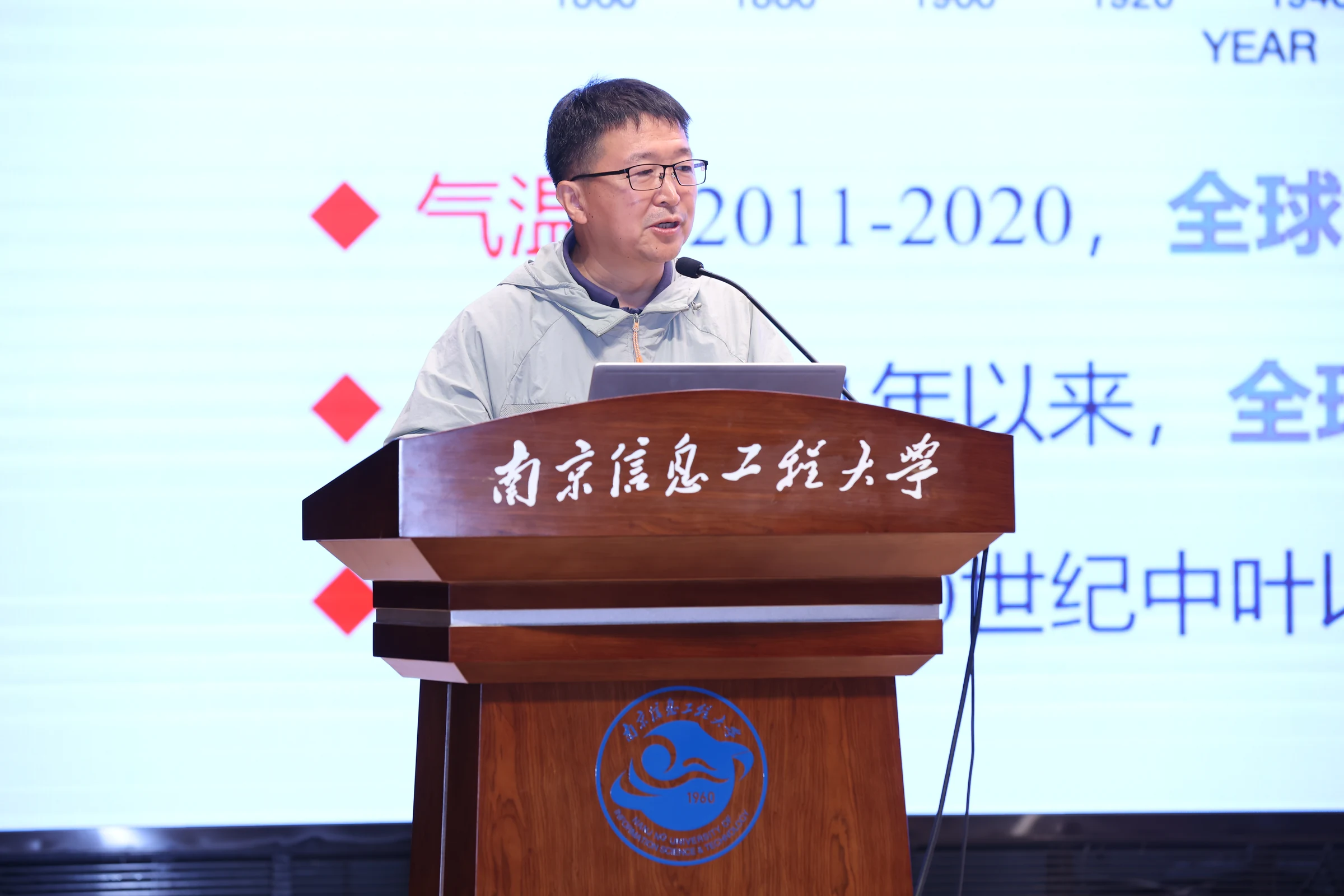


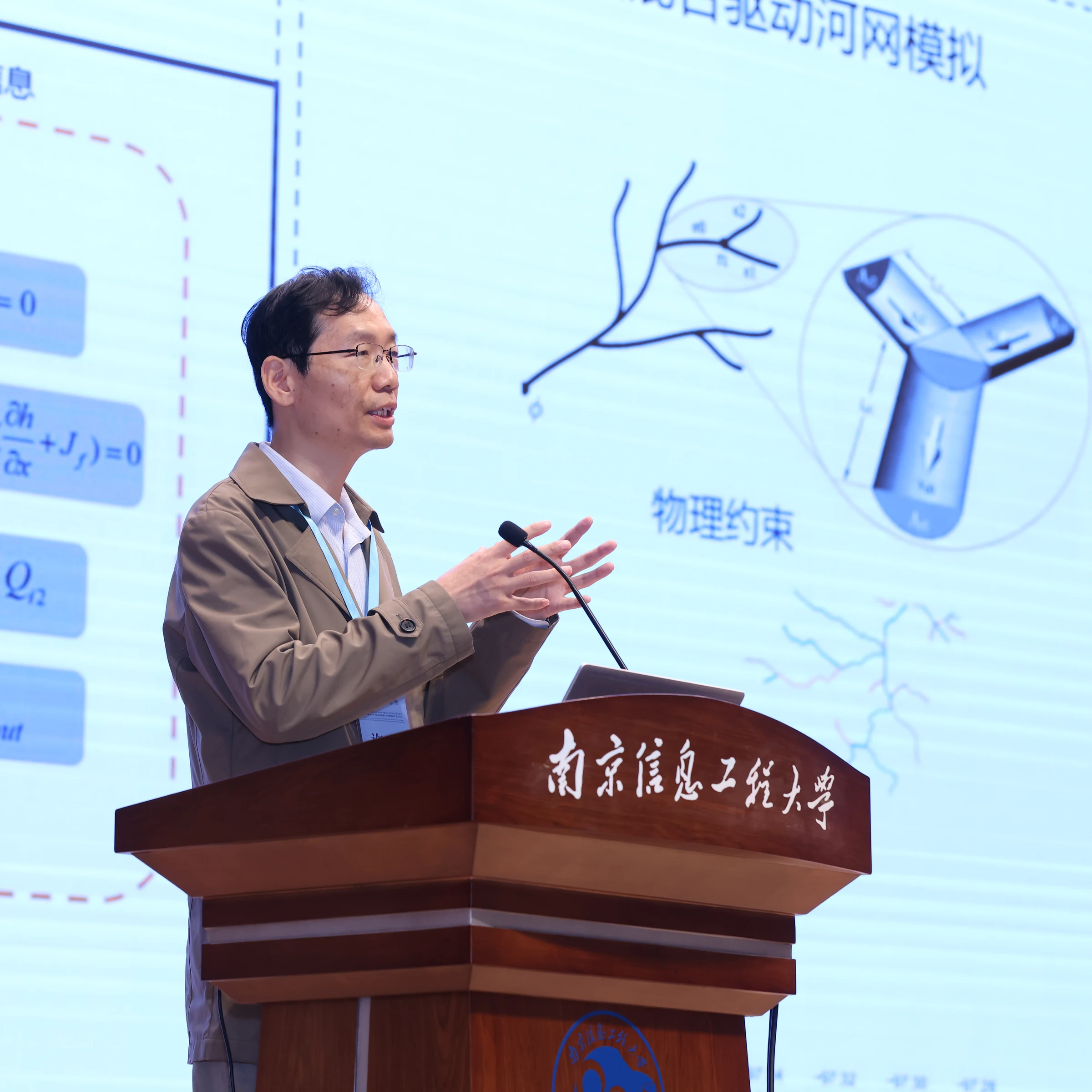


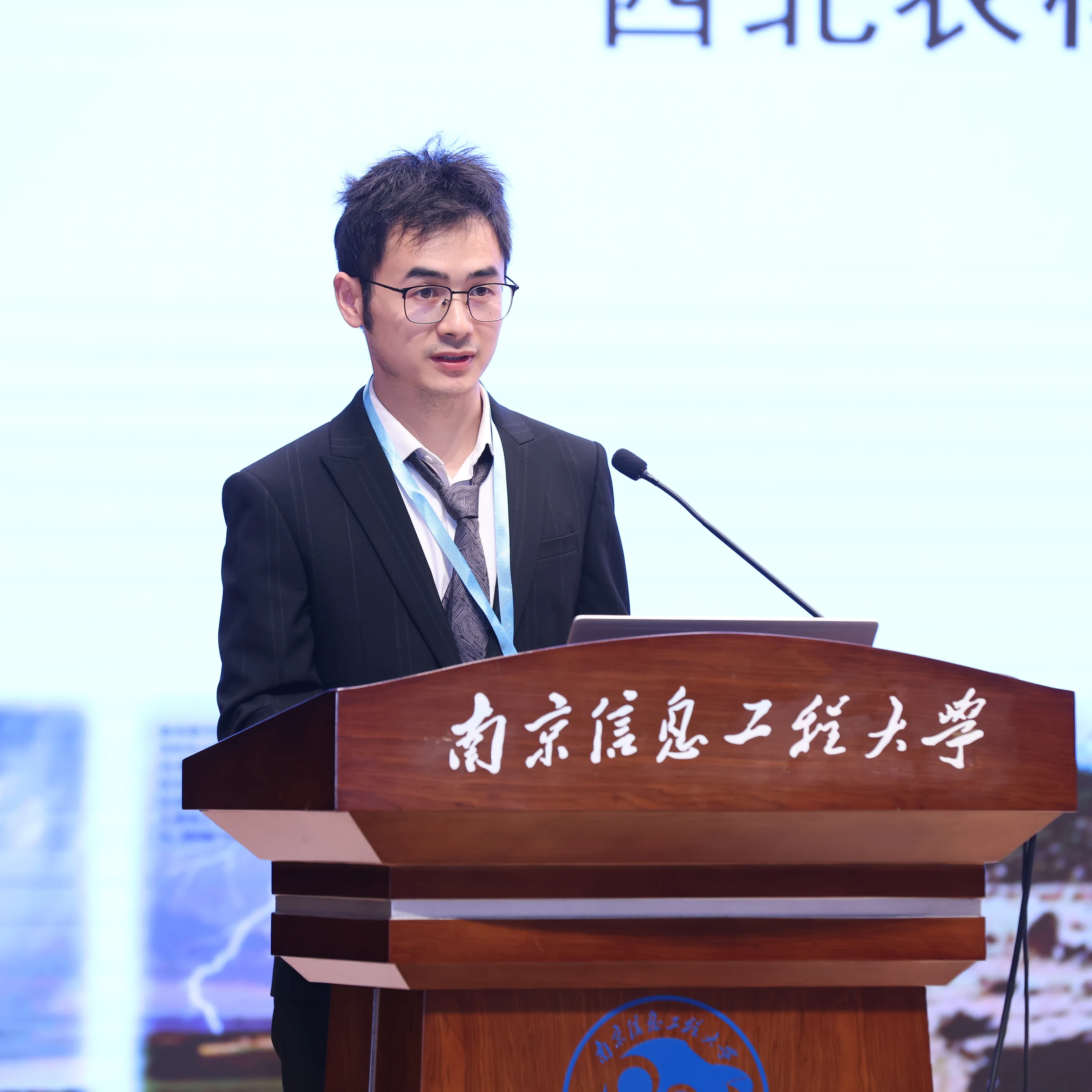
Presentations in thematic session 3.
The session on "Basin Water and Sediment Change, Safe and Resilient Water Networks, and Engineering Control" focused on engineering and scientific questions in basin water and sediment evolution, intelligent flood simulation, digital twin water networks, and the management of erosion and sedimentation in rivers and lakes. Guoqing Wang, a professor-level senior engineer, analysed trends in Yellow River runoff and sediment and strategies for responding to them. Professor Jingming Hou shared recent research on intelligent simulation methods for flood processes, while Professor Dong Xu introduced the development and application of a hydrodynamic model engine for digital twin water networks. Drawing on case studies from major river basins, the speakers explored ways to improve basin safety and resilience.
04 Collaborative Modelling with Remote Sensing, Physics and AI, and Digital Twin Water Networks


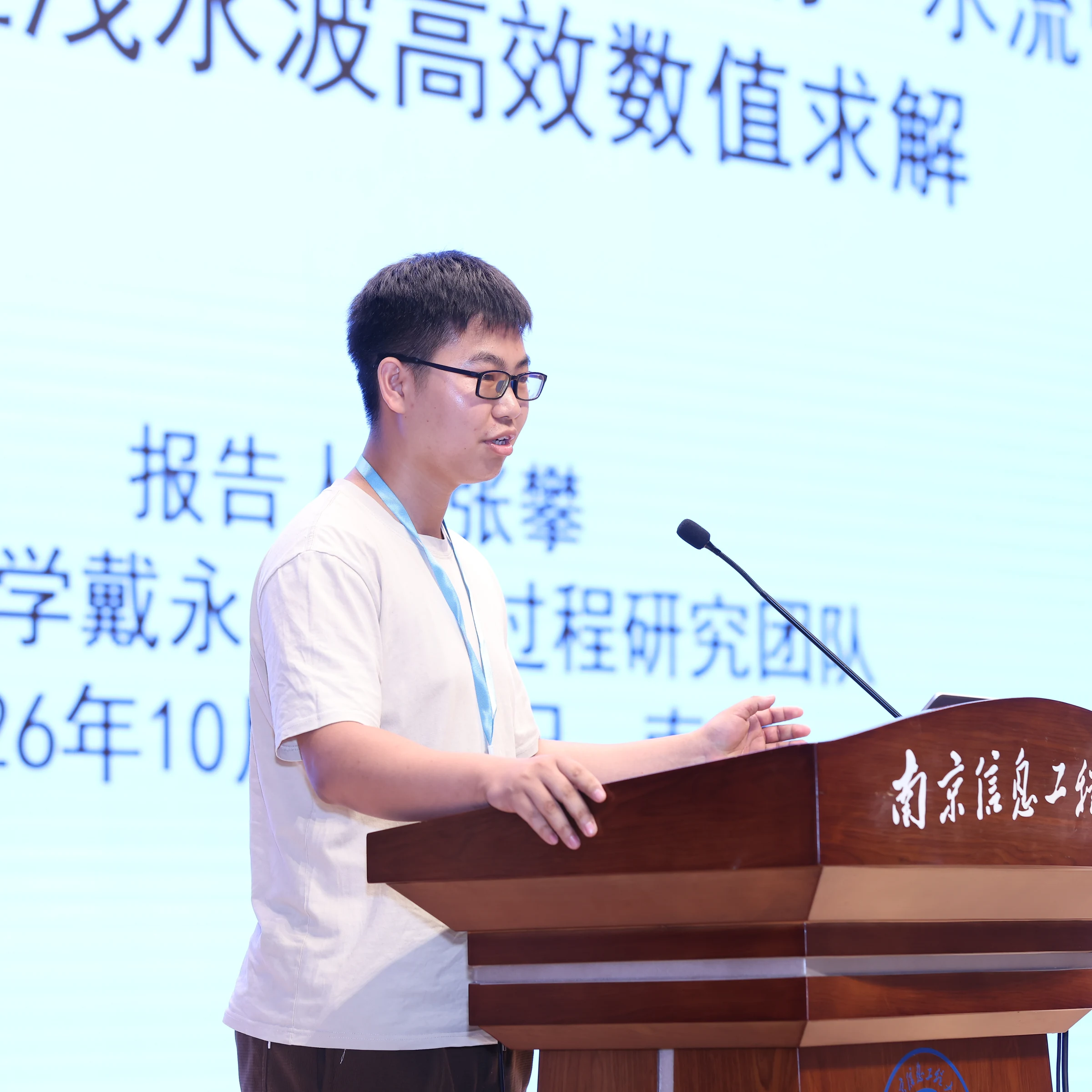


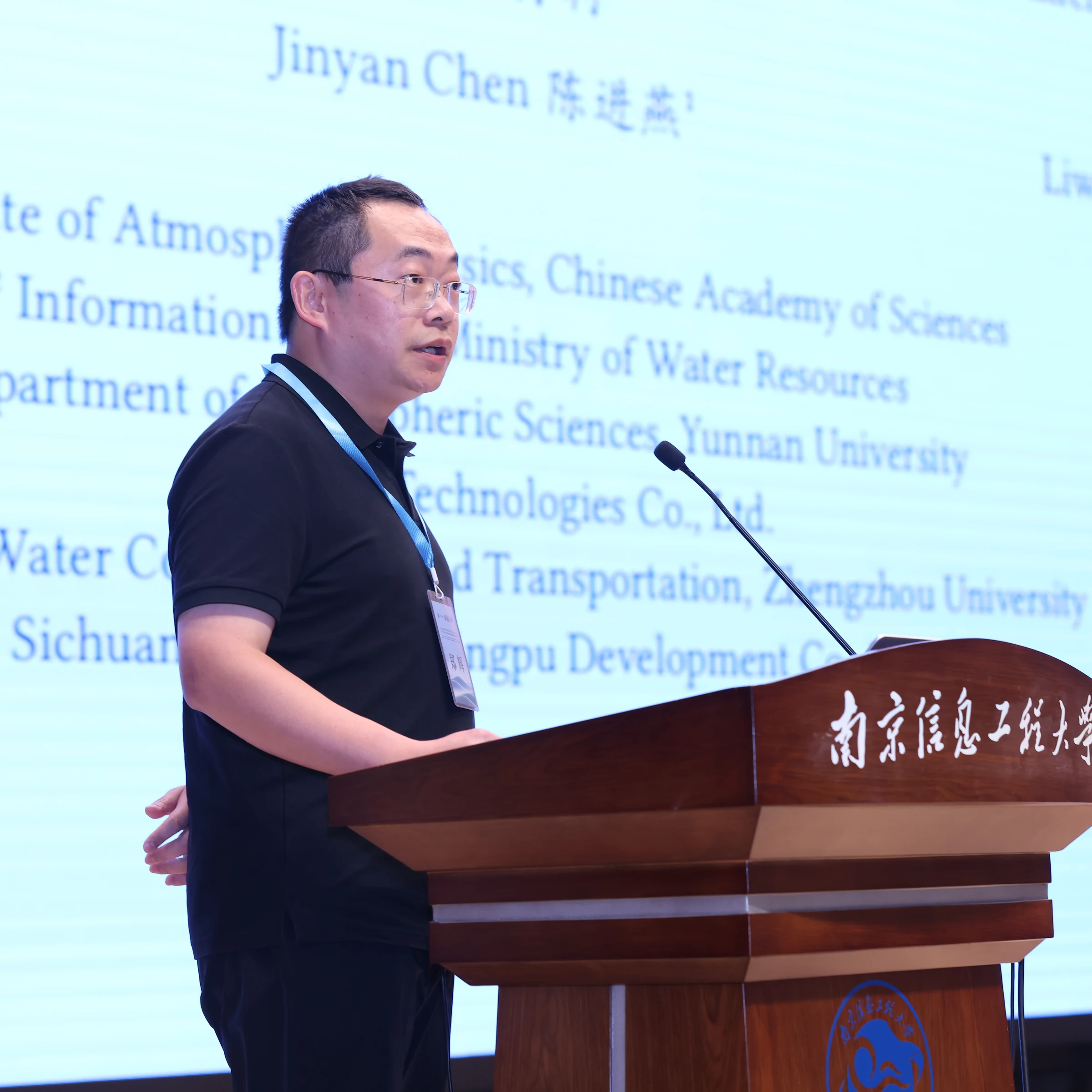
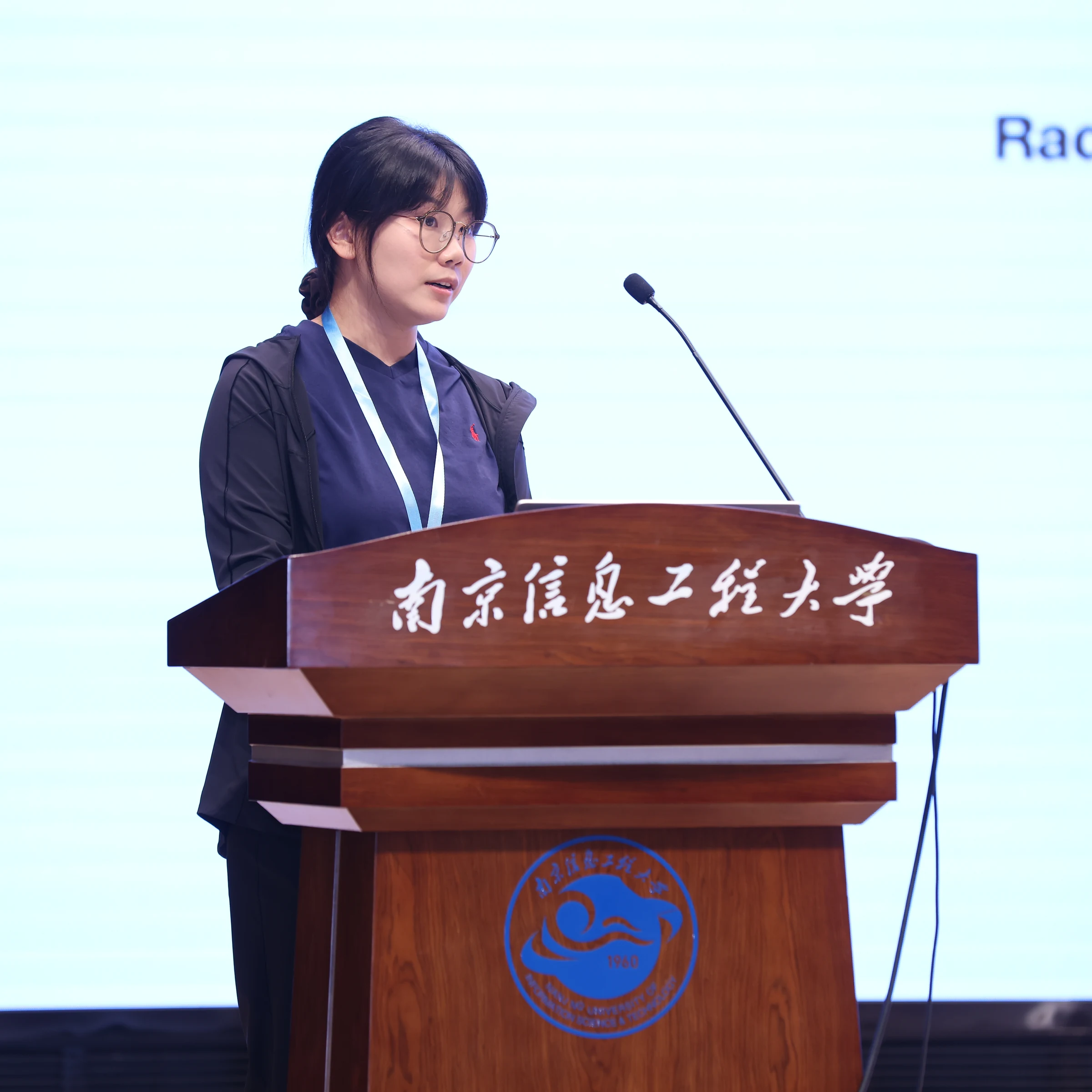
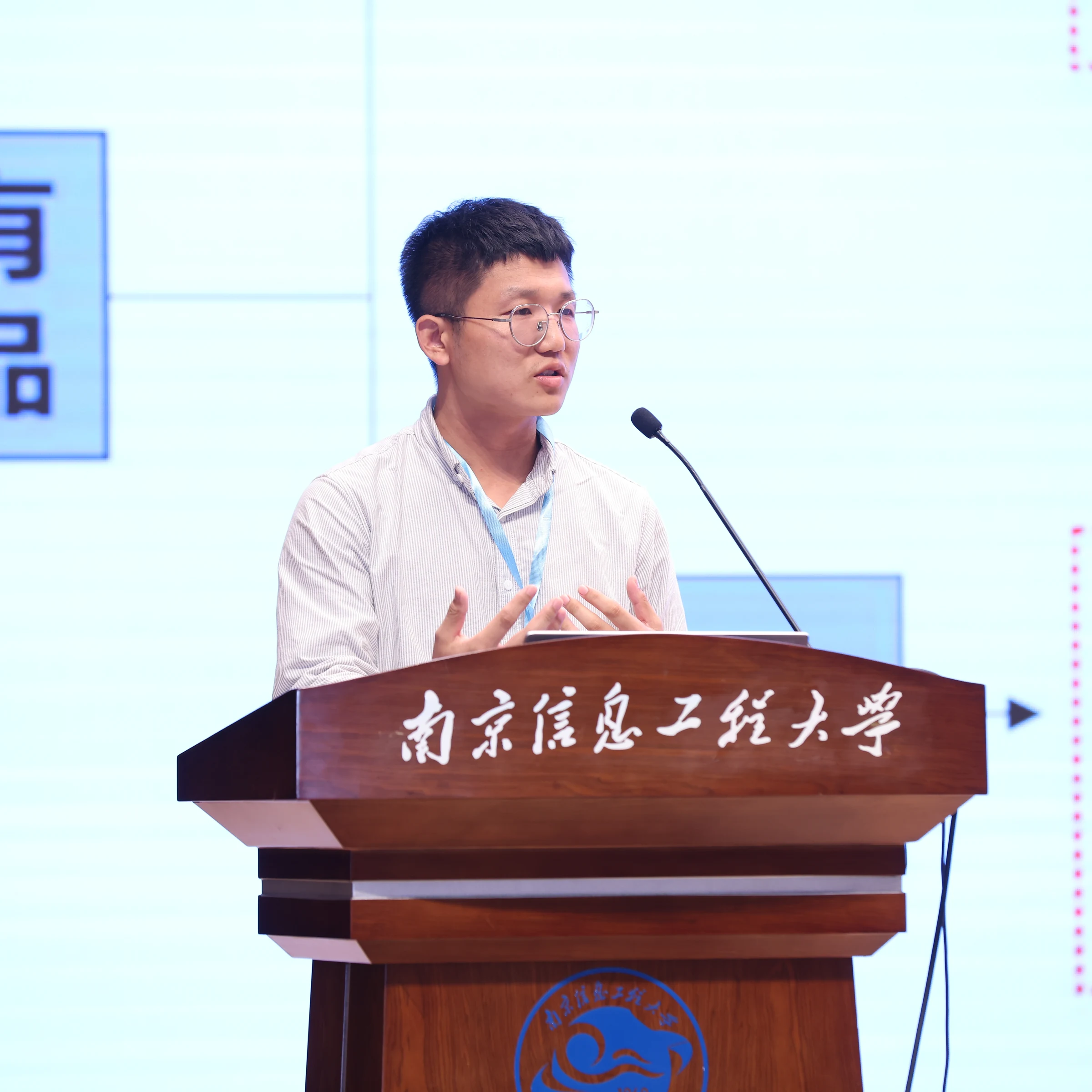
Presentations in thematic session 4.
The session on "Collaborative Modelling with Remote Sensing, Physics and AI, and Digital Twin Water Networks" opened with recent advances that combine artificial intelligence, remote sensing observations and hydrological models. Yuntao Ye, a professor-level senior engineer, explained digital twin water networks and the development of China's national water network dispatching system. Experts gave presentations on the use of large language models in hydrological parameter calibration, improvements to land-surface models, data assimilation and deep-learning methods for hydrological estimation. These talks reflected the growing integration of water science and information technology.
05 Young Scholars' Forum on Interdisciplinary Frontiers and Outstanding Talent (Flash Talks)
Young researchers give flash presentations.
The flash forum gave 29 young scholars a fast-paced, three-minute format in which to present their work. Topics covered many emerging areas, including the integration of satellite and ground-based precipitation measurements, aquifer modelling, the socioeconomic impacts of floods, satellite remote sensing in hydrology, and ecological wetland management. The young scholars took to the stage to present their research clearly and concisely, demonstrating the creative energy of the next generation in water science.
Exchange: Thinking Without Boundaries

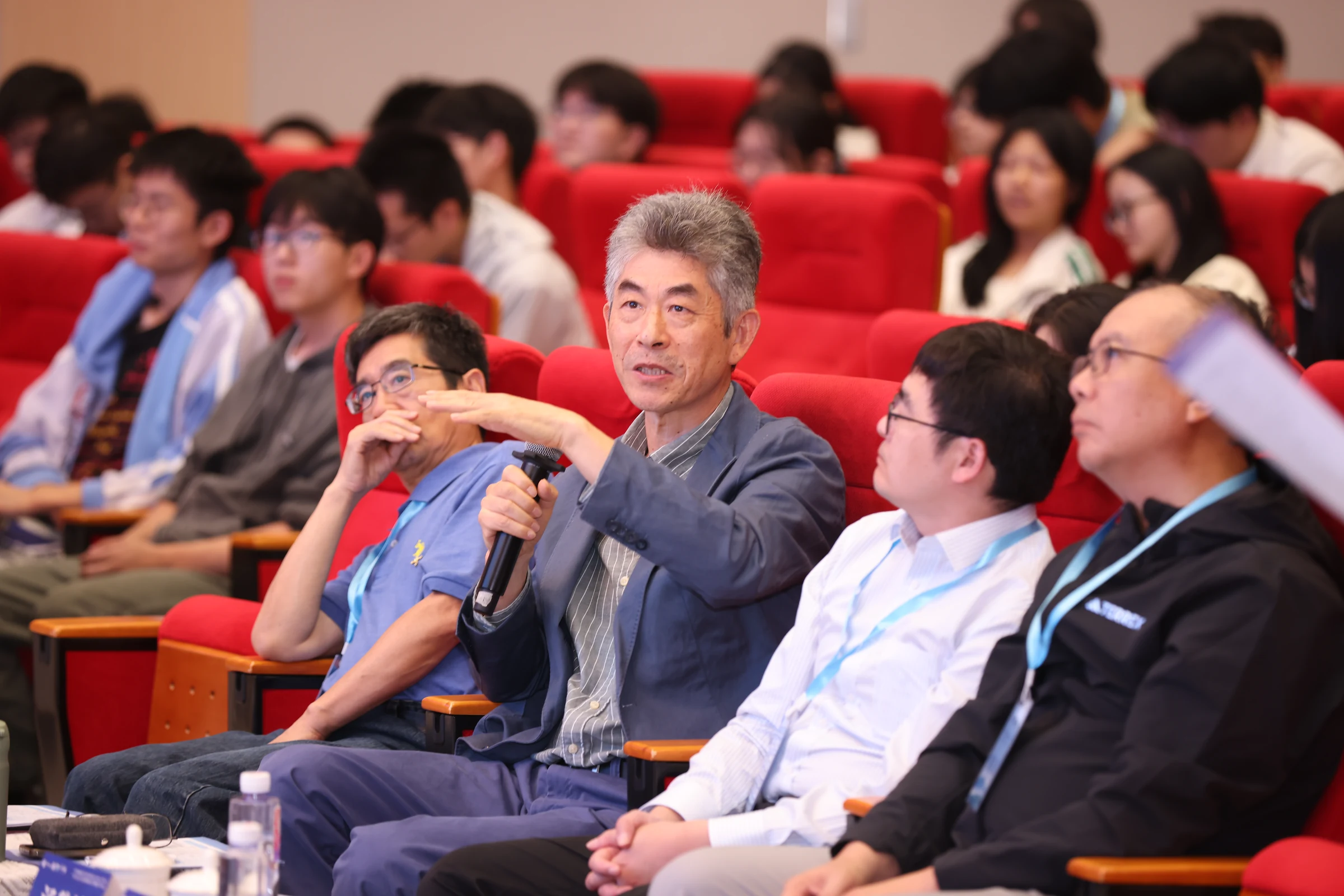
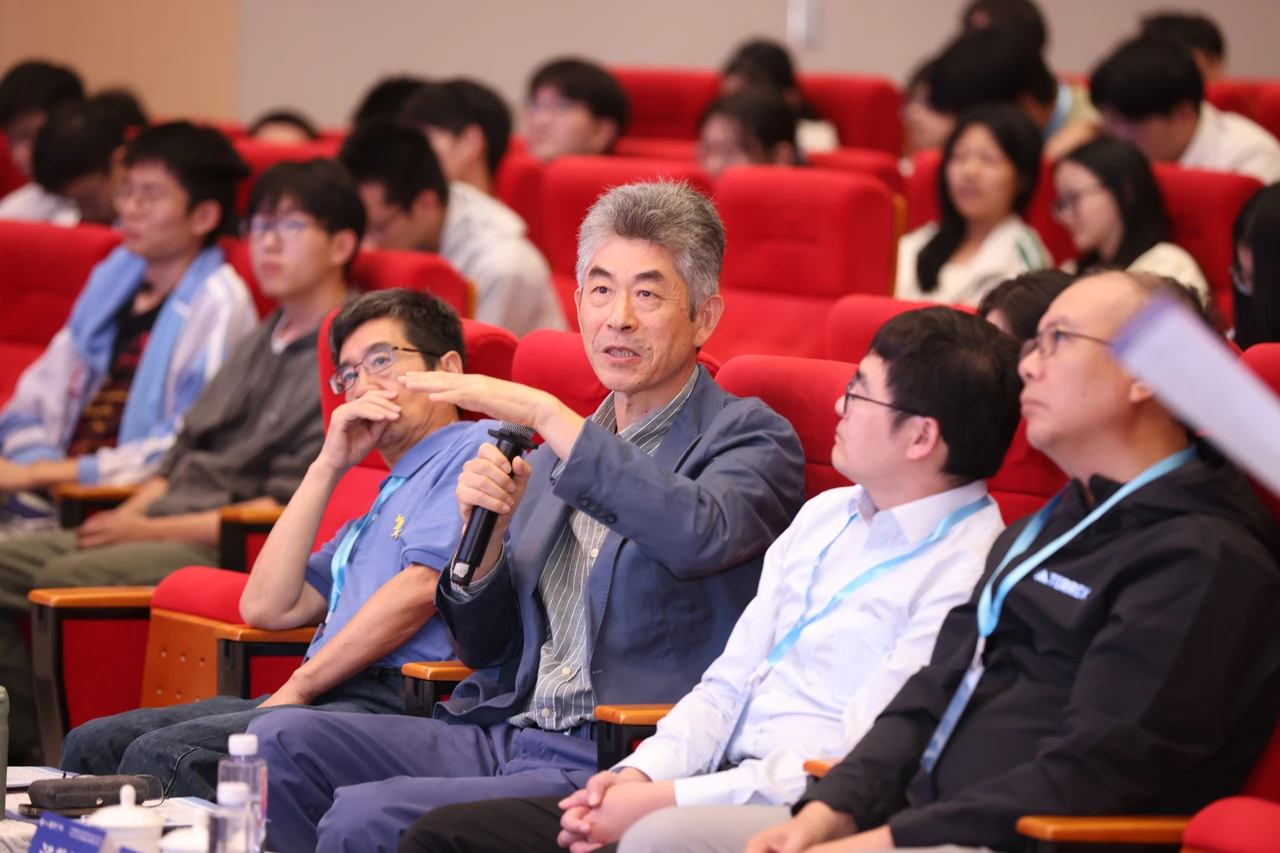
Exchange and learning took place through attentive listening and questions inside the lecture hall, and during tea breaks and in the poster area outside it. During question time, Chinese and international scholars eagerly raised their hands to speak directly with the presenters about the modelling methods, data sources and mechanisms of extreme events discussed in their talks.
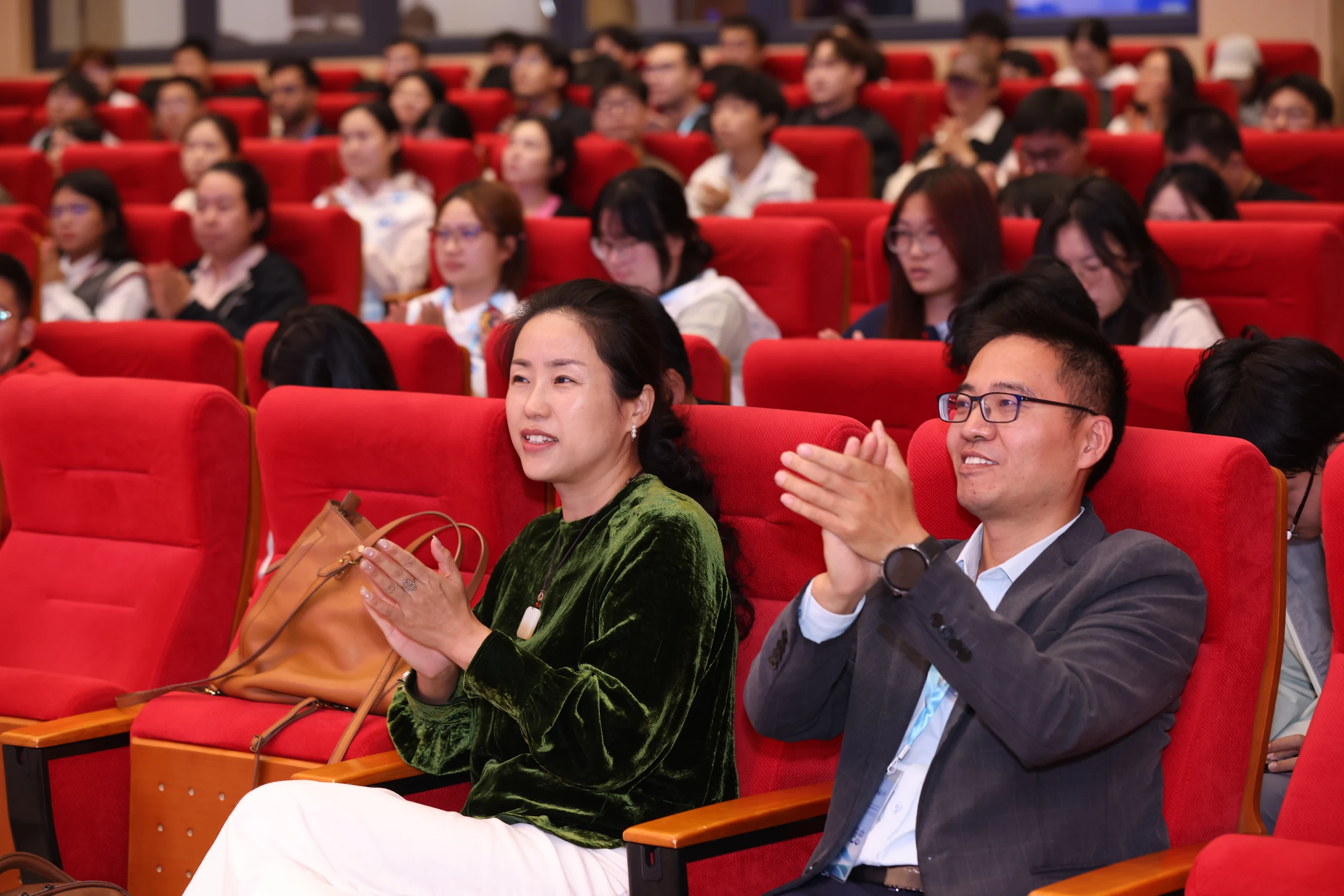
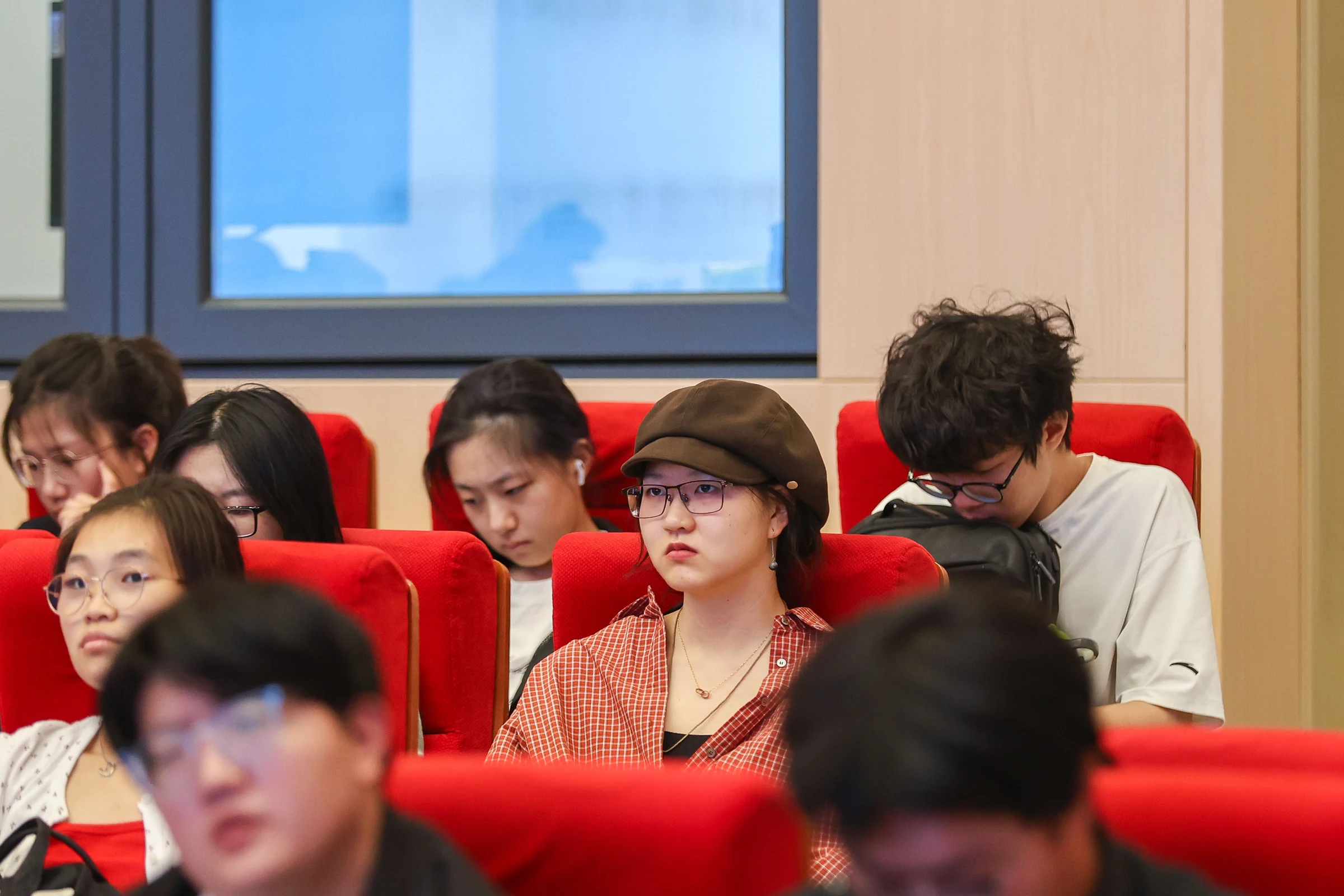
The audience listened closely and took careful notes. Many scholars held up their phones to photograph key presentation slides, capturing the central figures and conclusions of the talks.

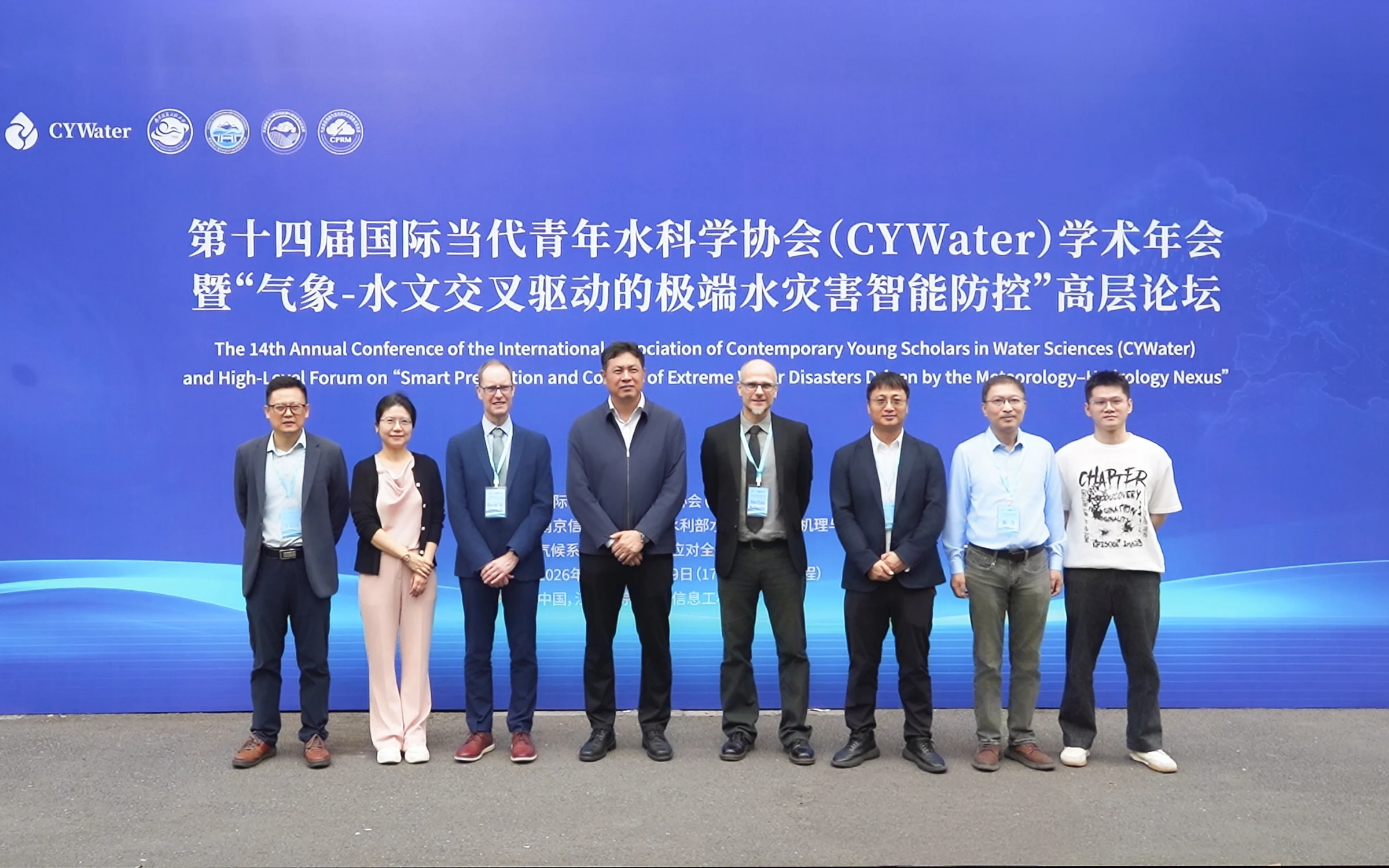
During tea breaks, Chinese and international scholars gathered for impromptu discussions of topics such as compound extreme events, digital twin water networks and modelling algorithms.

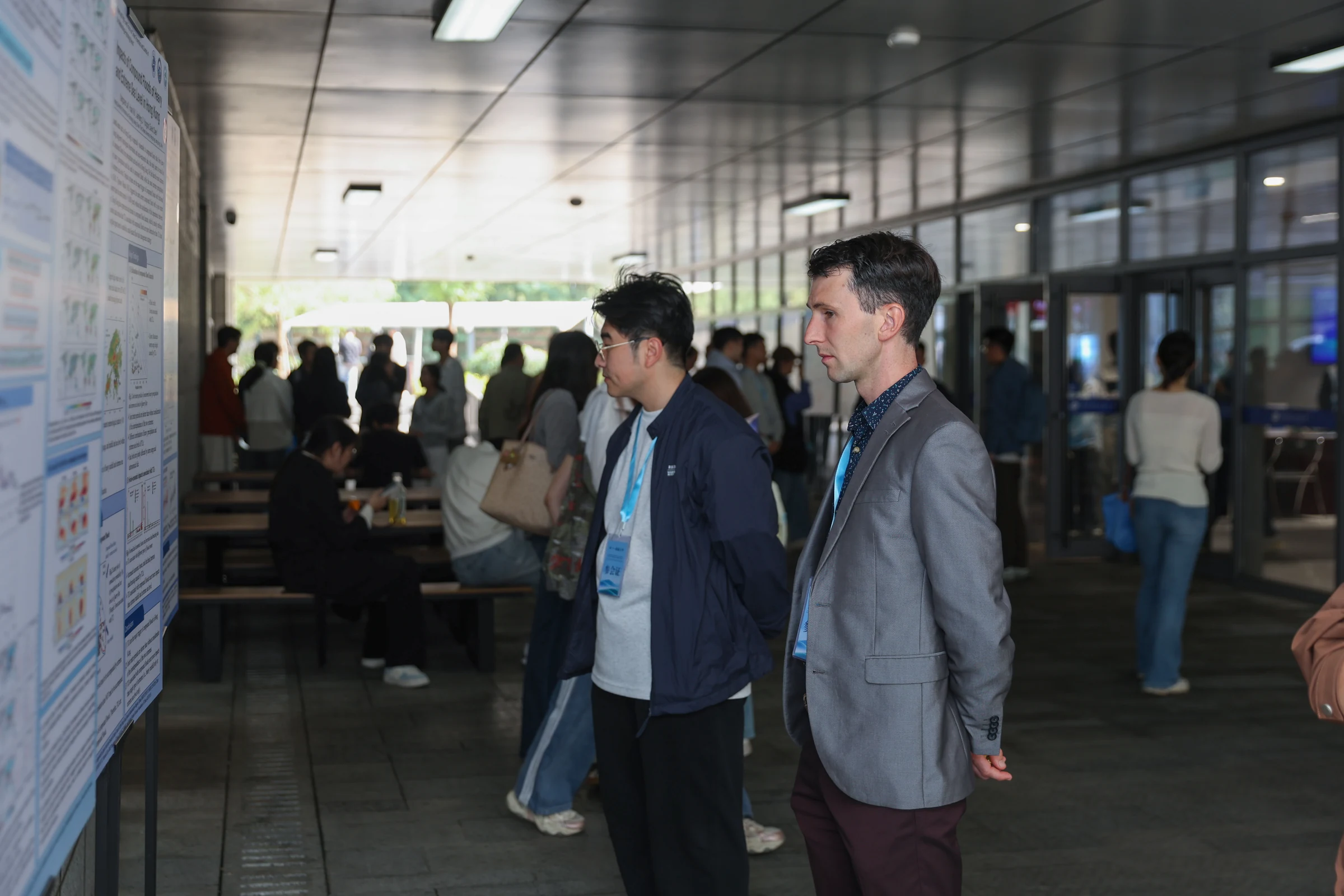
The annual meeting featured 24 posters, and the poster area became another important space for exchange. Faculty and students from China and abroad stopped in front of the posters for detailed discussions of research ideas, experimental methods and data sharing. On the campus in Nanjing in autumn, researchers from different regions and disciplinary backgrounds found common ground in water science.
Quiet Contributions: Supporting the Meeting
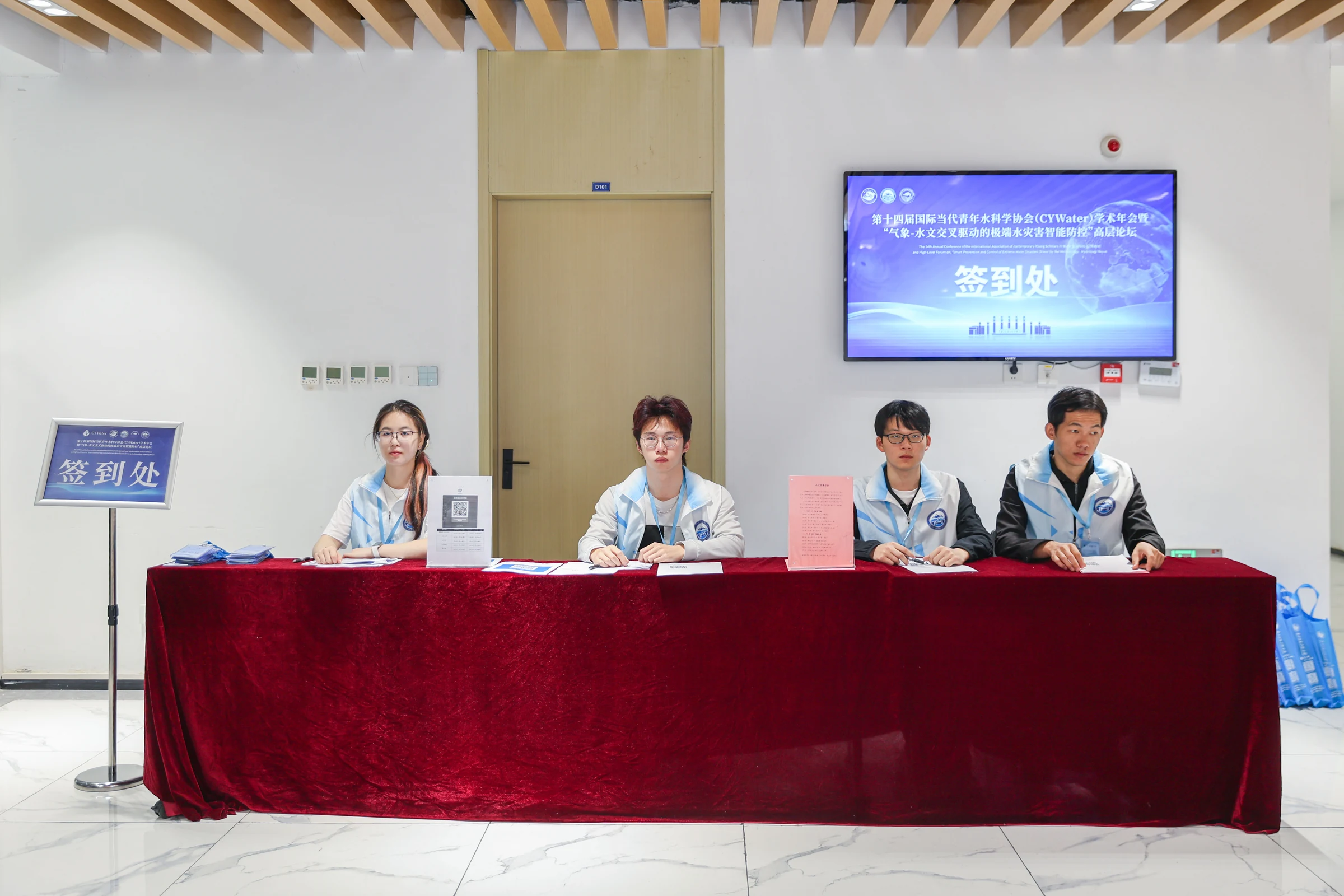
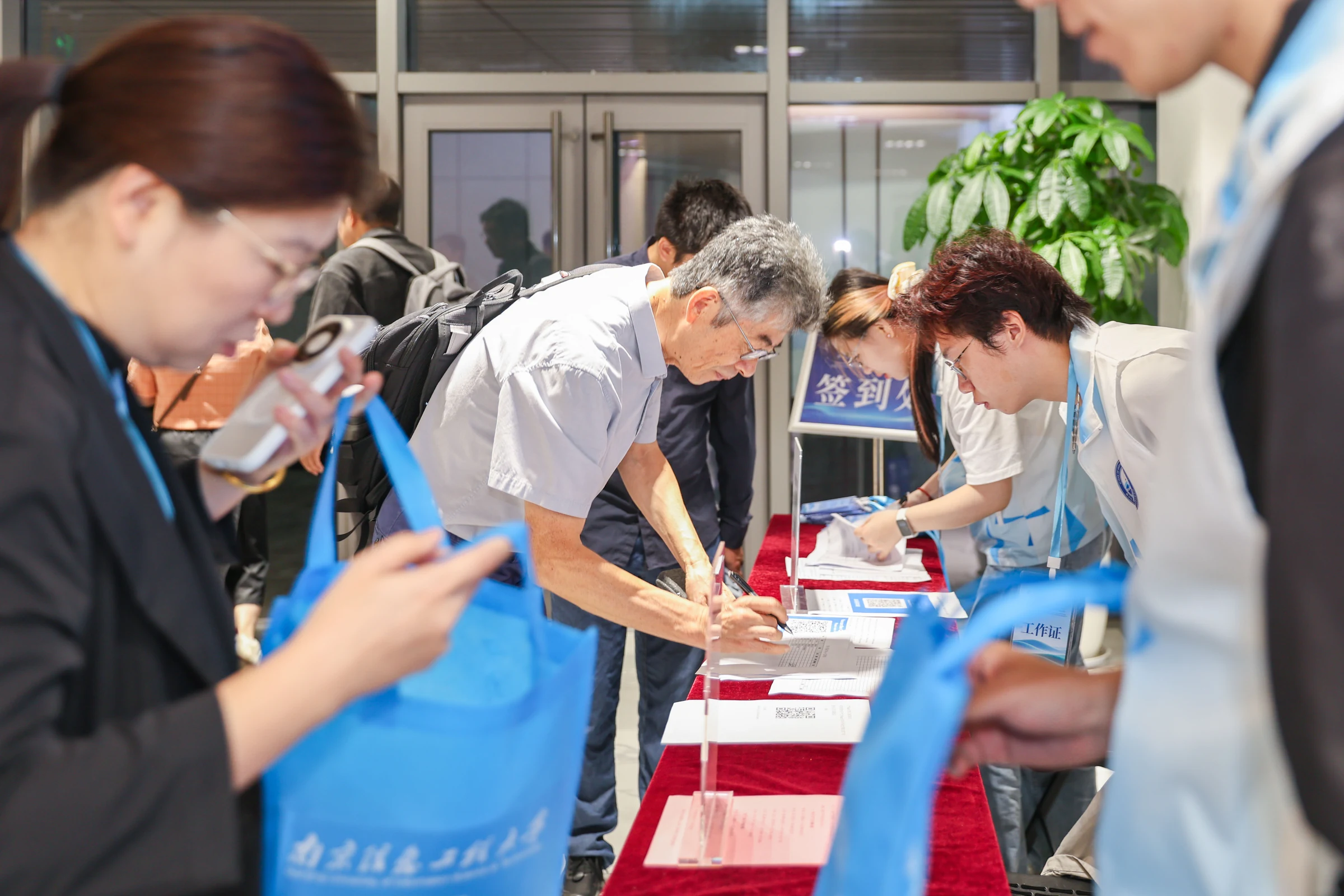
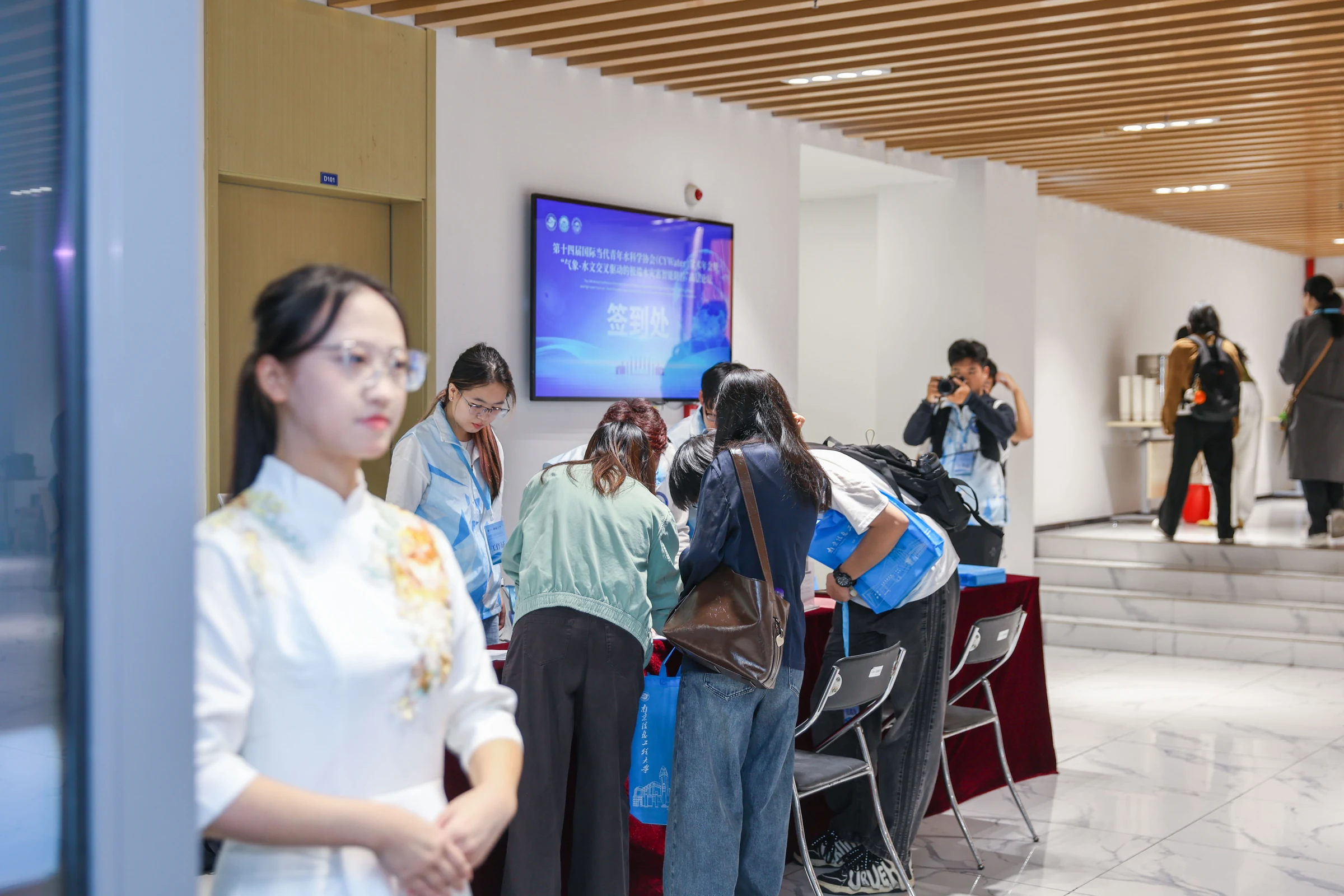
Dozens of young volunteers from NUIST's School of Hydrology and Water Resources supported every stage of the meeting, including registration, venue guidance and guest reception. From the registration point at Longshan Lake Hotel to the lecture hall in the Linjiang Building, and from tea-break supplies to equipment setup, their professionalism and youthful enthusiasm helped every part of the meeting run smoothly.


Closing: Beginning a New Journey Together
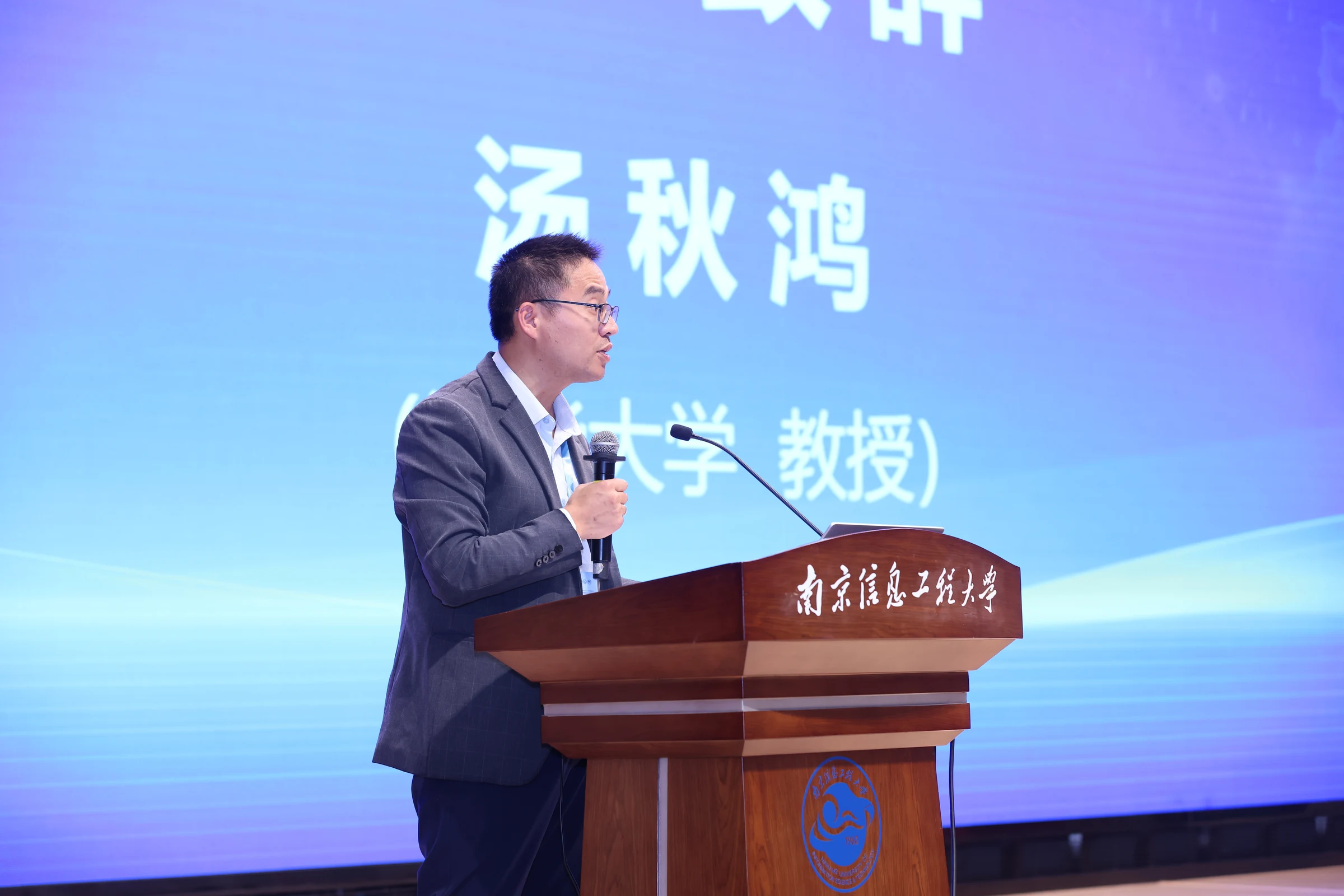
The closing ceremony was chaired by Yanzhong Li, Deputy Dean of the School of Hydrology and Water Resources. Associate Professor Danlu Guo from the Australian National University and Professor Youlong Xia from NUIST each gave a keynote presentation.
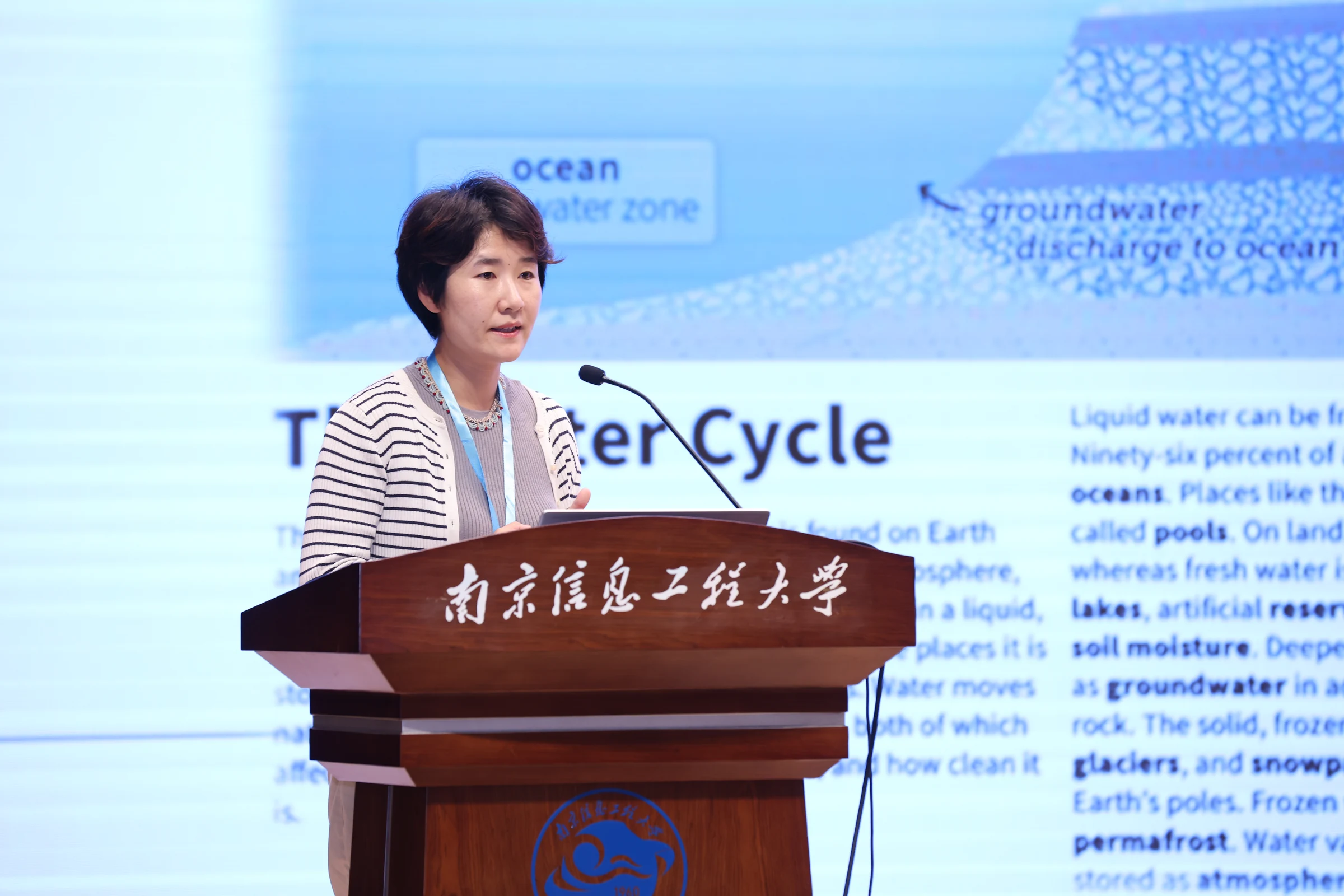
Associate Professor Danlu Guo presented large-sample hydrological research on how catchments respond to a changing environment. The talk noted that traditional annual-scale rainfall-runoff analysis cannot adequately reveal the mechanisms of runoff generation at the event scale. The team proposed RVEIM, a simple event-identification method that effectively reduces uncertainty in estimates of runoff coefficients. The presentation also used observations from across Australia to examine concentration-discharge (C-Q) relationships, revealing how climate, soils and topography influence patterns of water-quality export. Research on the "Black Summer" bushfires offered a new perspective on catchment hydrology and water quality under extreme disturbance.

Professor Youlong Xia discussed the development of hourly precipitation datasets for China at multiple spatial and temporal scales. The study compared several downscaling and data-fusion algorithms and demonstrated that the Hybrid D5 approach can effectively reduce data errors and improve the representation of precipitation intensity, the duration of heavy-rainfall events and peak rainfall. The presentation also systematically evaluated the strengths and weaknesses of several widely used precipitation products. Future plans are to combine artificial intelligence and satellite observations to further improve long-term, high-resolution precipitation products, providing data support for hydrometeorological research and flood-disaster prevention and control in China.
Young Scientist Outstanding Presentation Awards Ceremony
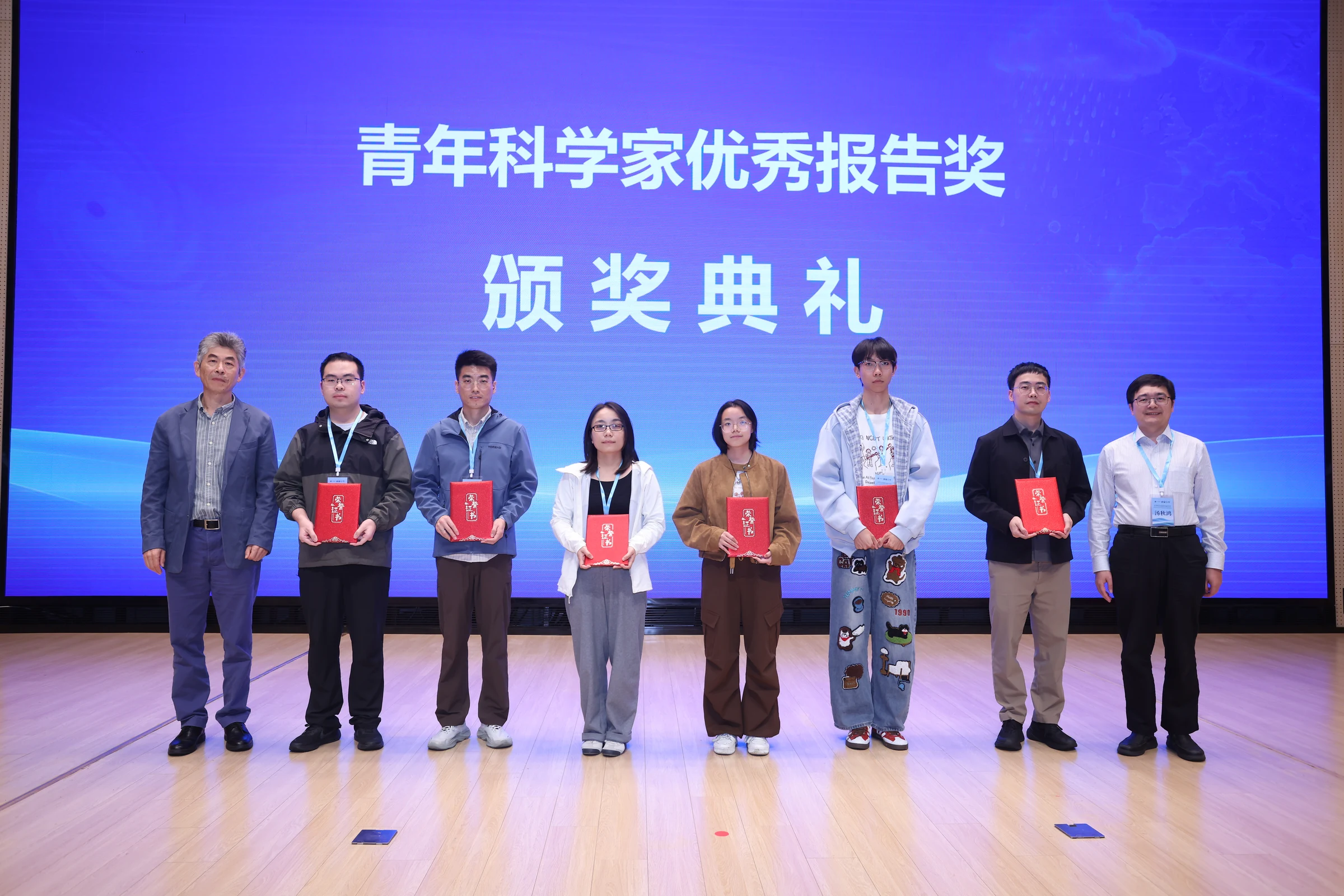
The CYWater Young Scientist Outstanding Presentation Awards, with dedicated sponsorship from npj Hydrosphere, were presented to recognise young researchers who had distinguished themselves at the meeting. Professor Quanjun Wang and Professor Qiuhong Tang presented the awards.
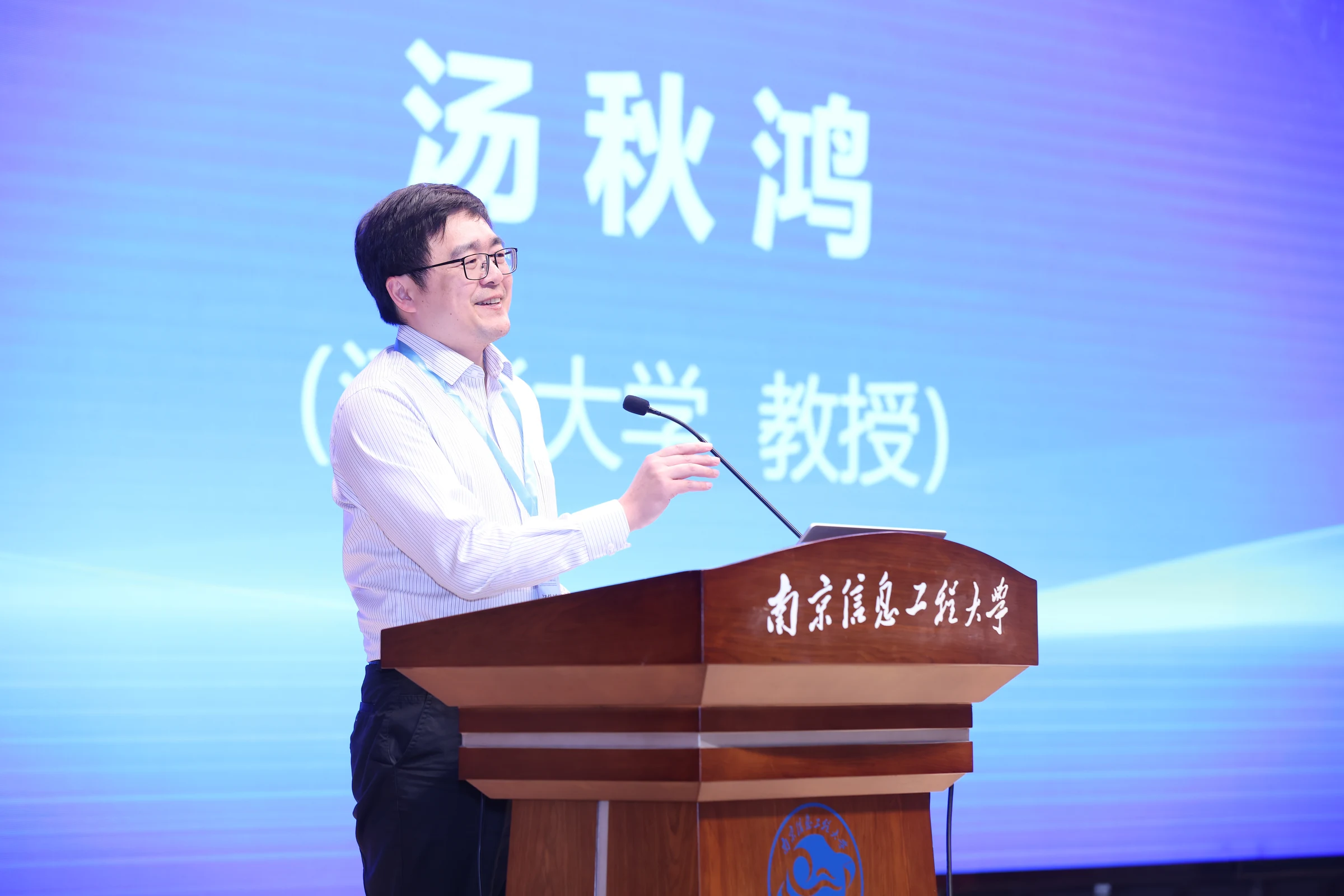
Finally, Professor Qiuhong Tang of Tsinghua University delivered the closing address, offering high praise for the academic exchange achieved at this year's annual meeting. Professor Tang encouraged young water scientists to deepen research across fields and continue advancing the frontiers of water science by tackling research challenges together. The address was followed by enthusiastic applause throughout the hall, bringing the 14th CYWater Annual Meeting to a successful close.
The meeting drew fully on NUIST's strengths at the intersection of meteorology and hydrology to create a high-level platform for exchange among water scientists from China and abroad. It promoted innovation across disciplines and brought together the research strengths of young water scientists. The outcomes of the discussions will provide theoretical and technical support for early warning, prevention and control of extreme water disasters and for water security in China. NUIST will continue to build on its disciplinary strengths, deepen academic exchange and cooperation at home and abroad, and serve China's major strategic needs in water security.
03 / The programme
Programme

October 17–18, 2026
Conference agenda
The scientific programme, presentation details and poster list from the 14th Annual Meeting.
04 / Photographs